
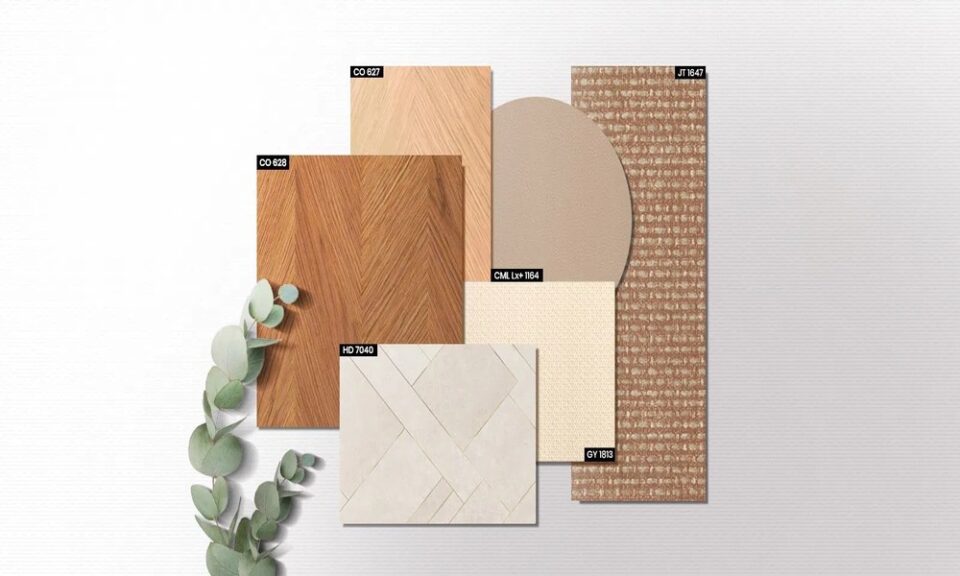
Selecting the right finish for your interior surfaces will affect both the durability and appearance of the finish you select. Standard laminate and hpl laminate, while both popular in residential and commercial environments, are manufactured completely differently and perform differently in their intended applications. Understanding the distinction between the two types of laminates will allow you to make the best laminate choice of laminate material to meet your specific design needs.
What Is Standard Laminate?
Standard laminates are decorative surface materials made by glueing multiple layers of resin-impregnated paper with a decorative print together with heat and pressure. The manufacture of standard laminate is completed under lower pressure,s and therefore, it is ideal for use as surfaces for cabinetry, wardrobes, and other cabinets and furniture panel surfaces. Standard laminates are available in thousands of colours, patterns, and textures, resulting in infinite possibilities for the many design needs of virtually everyone.
What Is HPL Laminate?
What is Hpl laminate (high pressure laminate) is manufactured to join layers of kraft paper (the core) and decorative papers together using a water-based resin with a compressive process. This process results in the longest-lasting laminate due to the extremely high pressures and high temperatures used in production. Because of its superior strength, hpl laminate is often specified for use in high-traffic, high-humidity and/or high-risk application areas such as commercial applications, trays, and other residential applications subject to extensive foot traffic.
Durability & Strength
One of the major reasons to consider laminates for high-traffic locations is durability. Hpl laminate has a far greater resistance to impact; hence, it can withstand a high volume of use, making it a more durable option than standard laminate. Hpl laminate can also support heavy objects without showing signs of damage after extended use.
Moisture & Heat Resistance
In addition to the above-mentioned durability advantages of hpl laminate, it also offers superior moisture and heat resistance compared to standard laminate materials. Hpl laminate was designed to withstand considerable amounts of moisture and temperature change, thus making it the preferred application material for kitchens, bathrooms, and all other locations where there is a very high degree of moisture present. Standard laminate is much more susceptible to delaminating and/or warping as a result of long exposure to excessive moisture.
Aesthetic Versatility
Hpl laminate can be designed to meet virtually any style and look due to its increased structural integrity and the vast range of finishes available for hpl laminate products. This has enabled designers and builders to use laminates in very large continuous surfaces or very bold designs without fear of damaging the finished product. For this reason, hpl laminate is the material of choice for organisations where aesthetics must be permanent.
Cost Benefit
Although hpl laminate typically costs more than standard laminate, the long-term durability and performance of hpl laminate make this increased expense worthwhile. If your project requires longevity and durability, then you should consider specifying hpl laminate product because the total lifecycle costs will be significantly lower than for standard laminate.
Conclusion
Ultimately, your choice of standard laminate or hpl laminate will depend on your specific application. If the laminate is intended for everyday use or if you are limited by budget, then standard laminate may be appropriate. If the laminate is for heavy-traffic areas or requires maximum durability, then hpl laminate is your best laminate option. Understanding both types of laminates will help you to make a well-informed decision based on aesthetics, performance, and budget.
