
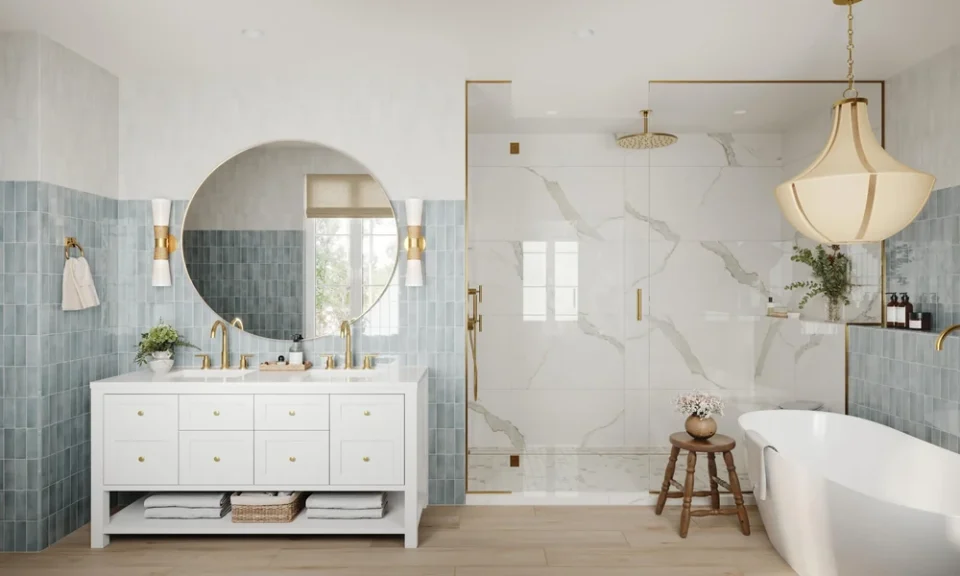
A bathroom can shift from purely functional to truly rejuvenating with just one change: the right vanity. This single piece sets the mood, shapes the room’s flow, and leaves a lasting impression every time you walk in. Whether you crave sleek minimalism or classic comfort, the style you choose has ripple effects on every detail.
How Vanity Styles Shape Your Bathroom’s Atmosphere
What you place beneath the mirror does more than just hold a sink. A vanity shapes the vibe, from cozy and inviting to cool and contemporary. Imagine a chunky freestanding walnut vanity, its solid presence can make even a large bathroom feel anchored and warm. Now picture a slim, wall-hung version in matte white. Suddenly, the whole space feels open, modern, and just a little bit daring.
Personal taste is part of it, but so are the emotional cues that come with each style. The right vanity instantly signals if your bathroom is a place for bold statements or quiet retreat.
Freestanding vs. Wall-Hung Vanities: Space and Style Dynamics
Freestanding vanities are the traditional choice. Their legs and frames add substance, evoking heritage homes and timeless design. They bring flexibility with placement and can hide plumbing easily, but they do take up visual weight. In a small bathroom, this can make the space feel cozy or, at times, crowded.
Wall-hung vanities, by contrast, float above the floor and trick the eye into seeing more space. They’re beloved in modern condos and urban spaces where maximizing every inch matters. A floating oak vanity visually expands the floor and makes cleaning easier, while also lending that chic, spa-like feel.
How do these choices influence perception? Freestanding vanities root your space, while wall-hung versions let it breathe. The result is more than aesthetic; it’s a fundamental shift in how open or intimate your bathroom feels.
Material and Finish Choices: Texture, Color, and Mood
The vanity’s material and finish are silent storytellers. Natural wood textures like oak and walnut introduce softness and organic calm. They pair well with greenery and earthy tiles, fostering a sense of sanctuary.
Painted finishes in white, black, or grey provide stark contrast or subtle harmony. White vanities amplify light and feel airy, black adds drama and a contemporary edge, while grey settles somewhere in between, adaptable to most palettes.
Countertop materials matter too. Polymarble is easy to clean and sleekly modern, engineered quartz delivers luxury with durability, and ceramic counters bring classic appeal. Each choice subtly shifts the space from pure utility to something a bit more personal.
Size and Configuration: Single Sink vs. Double Sink Vanities
Size is more than a measurement; it’s a mood-setter. A broad, double-sink vanity in a large master bath speaks to shared routines and effortless mornings, while a compact single-sink model keeps a powder room feeling spacious and bright.
How wide your vanity is impacts circulation and openness. A 24-inch vanity slips into tight spaces, a 60-inch double sink dominates with confidence. If you host busy mornings, double sinks pay dividends in harmony. For solo-use spaces, a single sink balances function and negative space, making the room feel larger.
Vanity Design Features That Affect Ambiance
Every detail counts. Soft-close drawers hush the morning rush, while open shelving can display towels and pretty bottles or, if overdone, create clutter. Sleek hardware in matte black or brushed gold sets off the finish and leans into the chosen mood. Even the shape of the legs (or absence, in wall-hung designs) signals classic charm versus minimalist intent.
Coordinating Vanity Style with Overall Bathroom Theme
Matching your vanity to the big picture is where magic happens. For a contemporary feel, matte black and white wall-hung vanities pair seamlessly with geometric tiles and modern fixtures. Traditional bathrooms shine with wood textures, ornate hardware, and classic freestanding shapes. Transitional spaces blend these lines, using neutral tones and understated hardware to bridge the gap.
Color coordination extends beyond the vanity. The right finish should echo or complement your walls and flooring, weaving your fixtures, mirrors, and lighting into a coherent whole. A walnut vanity can warm up cool marble, while a white vanity can balance out bold, dark floors.
Practical Considerations That Influence Style Choice
Even the most beautiful vanity must withstand daily life. Budget is a practical reality, but style can be achieved at every price point. Polymarble and ceramic counters are affordable and low-maintenance, while engineered quartz costs more but lasts longer.
Durability is key in wet environments. Painted finishes need good ventilation, while textured woods (with proper sealing) hold up to splashes. Installation matters too: wall-hung vanities require sturdy walls and precise plumbing, while freestanding versions offer more flexibility in older homes.
Making the Final Choice: Balancing Style, Space, and Feel
Choosing a vanity isn’t just about trends, it’s about what elevates your daily routine and reflects your personality. Start by assessing your bathroom’s quirks: Is it a sun-filled master retreat, a windowless guest bath, or a hardworking family hub? Visualize how different shapes and finishes impact light, movement, and storage.
Mood boards and sample finishes help, but so does seeing real vanities for bathroom in person. The right choice won’t just fill a gap beneath the mirror; it will transform your bathroom into a space you truly love stepping into every single day.
