
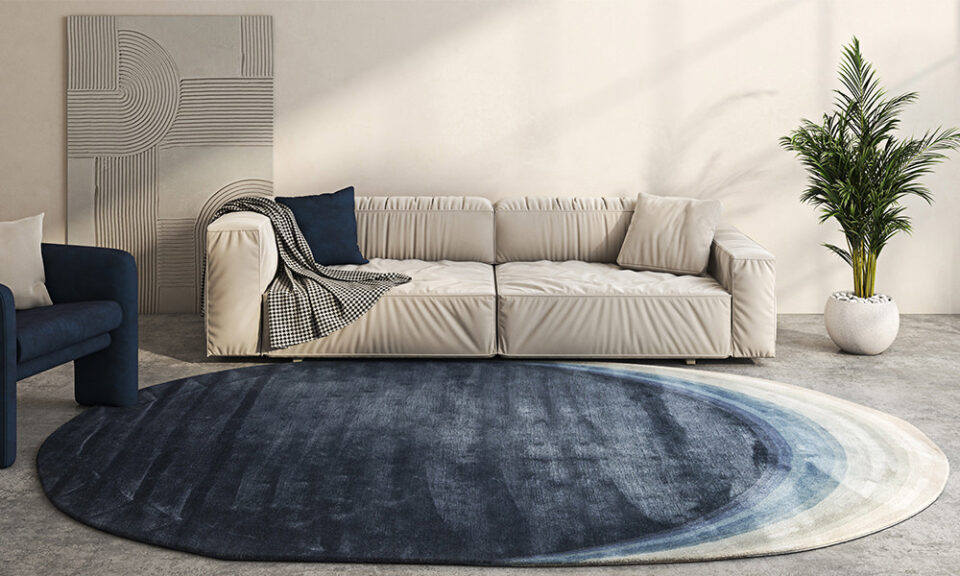
Scandinavian design has become a defining influence in modern interiors, and carpets are no exception. Rooted in simplicity, this style favours balanced spaces that feel practical and welcoming.
Rather than competing for attention, Scandinavian carpets enhance a room, adding warmth, texture, and subtle character. This design philosophy appeals to homeowners who value thoughtful aesthetics.
Let’s explore these trends and see why they continue to feel timeless.
The Appeal of Natural Materials
Natural fibres sit at the heart of Scandinavian carpet design. Materials such as wool, jute, and sisal are increasingly popular, not only for their appearance but for their environmental credentials and durability.
Wool is particularly prized for its soft texture, resilience, and natural insulating properties. It retains warmth during colder months, reduces noise, and withstands daily wear, making it ideal for minimalist homes where every element must earn its place.
Its ability to regulate temperature also reduces reliance on artificial heating, aligning perfectly with Scandinavian values of efficiency and comfort.
Jute and sisal introduce a more organic, tactile quality. Their coarse textures add visual interest without overpowering a space, while their hard-wearing nature makes them easy to maintain.
These fibres work especially well in living areas, hallways, and layered interiors where texture plays a key role.
When selecting natural carpets, quality matters. Certifications such as Woolmark or GoodWeave signal responsible sourcing and ethical manufacturing, ensuring your flooring choice supports sustainability while offering long-term value.
Creating Calm with Neutral Shades
Colour palettes in Scandinavian carpets tend to be restrained and purposeful. Shades such as beige, soft grey, off-white, and muted taupe dominate. Using this palette, you can create interiors that feel open, light, and uncluttered.
These neutral tones act as a foundation rather than a focal point, allowing furniture, natural light, and carefully chosen accessories to shine.
They also help rooms feel larger and more cohesive, making them particularly effective in smaller homes or open-plan layouts. Neutral carpets do not mean bland interiors. In fact, they offer flexibility.
Introducing contrast through cushions, throws, artwork, or natural wood accents allows personality to emerge without disrupting the overall harmony. This balance between restraint and expression is central to Scandinavian design.
Modern Geometry with a Soft Touch
While Scandinavian style favours simplicity, it does not shy away from pattern. Modern geometric designs have become a defining feature of contemporary Scandinavian carpets, offering visual interest while remaining subtle and controlled.
Patterns such as chevrons, herringbone, diamonds, and understated lattice designs add structure to a room without overwhelming it.
Smaller, repetitive motifs work well in compact spaces. Meanwhile, larger-scale patterns suit open rooms where they can breathe and make a quiet statement.
These designs are not purely decorative. Geometric carpets are particularly practical in busy areas, as patterns help disguise minor stains and wear.
In living or dining rooms, they define zones naturally, reducing the need for additional décor and maintaining the clean aesthetic Scandinavian interiors are known for.
Using Texture to Add Depth and Warmth
Texture plays a crucial role in Scandinavian carpet trends, bringing warmth to spaces that might otherwise feel stark.
Layering rugs is a popular technique, especially in homes with wooden or polished concrete floors.
A large, neutral carpet often forms the base layer, anchoring the room visually. On top of this, a smaller patterned or textured rug introduces contrast and softness. This approach adds depth without clutter, keeping the space visually calm while enhancing comfort underfoot.
Mixing materials further enriches the look. Wool layered with cotton, or a soft rug paired with a rougher jute weave, creates a tactile balance that feels inviting.
Texture also allows seasonal flexibility, with heavier layers for winter and lighter combinations for warmer months.
Sustainability as a Design Priority
Sustainability is not a trend in Scandinavian design. It is a principle. As a result, eco-conscious carpets have become increasingly sought after by homeowners looking to reduce their environmental footprint.
Recycled materials are widely used in modern carpet production, helping minimise waste while delivering durable, stylish results.
Low-VOC carpets are another important consideration, as they improve indoor air quality and contribute to healthier living environments.
Certifications such as GOTS or Green Label help identify carpets that meet strict environmental and health standards.
Choosing brands committed to ethical manufacturing further supports responsible design, ensuring your home reflects values as well as style.
Practical Design That Adapts to Everyday Life
Functionality is inseparable from Scandinavian aesthetics. Carpets inspired by this style are designed to work hard without drawing attention to themselves.
In open-plan homes, neutral carpets with simple designs help create visual continuity, allowing furniture layouts to change easily over time.
This adaptability makes Scandinavian carpets particularly appealing for those who like to refresh their interiors seasonally. The system is pretty straightforward. You just swap lighter textures in summer for thicker, cosier options in winter.
High-traffic areas require materials that can withstand daily use. Natural fibres remain popular at all times. Still, durable synthetic blends such as nylon or polyester are often used in hallways and entryways for their resilience and ease of maintenance.
Even the most durable Scandinavian carpets benefit from occasional expert attention. Professional carpet cleaning goes beyond surface-level care, removing embedded dirt, allergens, and fine grit that regular vacuuming cannot reach.
This is particularly important for natural fibres such as wool and jute, which require careful handling to preserve their texture and colour.
Periodic professional cleaning helps carpets age gracefully, maintaining their softness and appearance while extending their lifespan. It also supports healthier indoor air quality, which aligns closely with the Scandinavian emphasis on wellbeing and mindful living.
Defining Open Spaces with Scandinavian Carpets
In Scandinavian interiors, carpets are often used to shape open-plan layouts rather than decorate them.
A large, understated rug beneath a seating area creates a sense of intimacy within a larger space, while a different texture or tone can subtly mark out dining or work zones.
Smaller rugs also have their place. A carefully chosen piece can transform a reading nook, children’s play area, or home office into a defined, purposeful corner. The key lies in cohesion, ensuring colours, textures, and materials complement each other across the space.
By layering thoughtfully and maintaining a restrained palette, carpets help open spaces feel organised, warm, and inviting. This setup focuses primarily on the airy feel that Scandinavian design is known for.
Conclusion
Carpet trends inspired by Scandinavian design continue to resonate because they strike a rare balance between beauty, practicality, and responsibility.
Whether you are refreshing a single room or rethinking your entire home, Scandinavian-style carpets offer a timeless foundation.
They bring warmth, calm, and quiet sophistication, transforming everyday spaces into environments that feel considered, comfortable, and deeply personal.
