
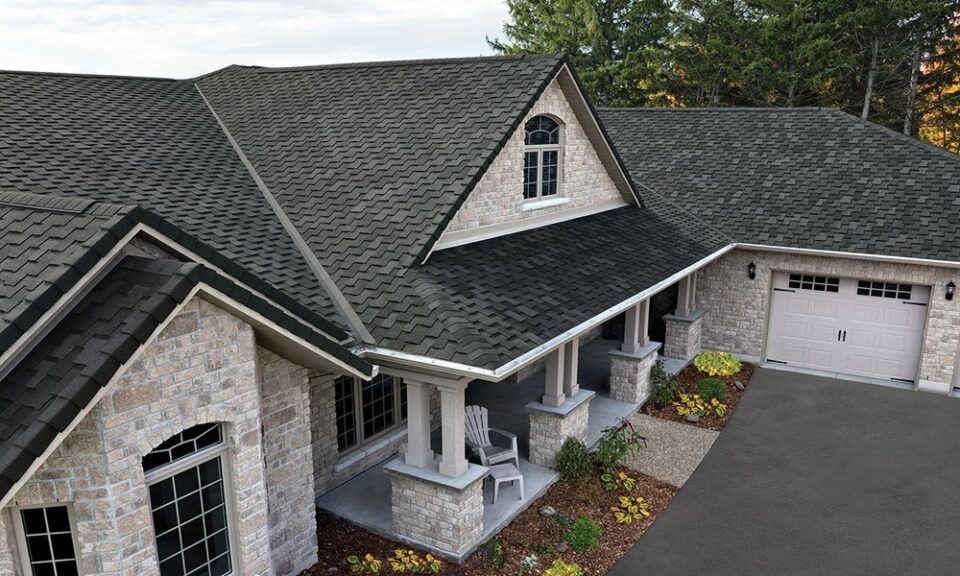
When it comes to choosing roofing materials, many homeowners and property managers are now factoring in sustainability. One popular roofing option-shingle roofing-often raises the question: Is shingle roofing eco-friendly? The answer isn’t a simple yes or no, but rather a deeper look into the materials, manufacturing process, lifespan, and disposal options. In this blog, we’ll explore how environmentally responsible shingle roofing is and what sustainable alternatives or upgrades are available.
Understanding Traditional Asphalt Shingles
Asphalt shingles are the most widely used roofing material in North America due to their affordability and ease of installation. However, traditional asphalt shingles are petroleum-based products, which raises concerns from an environmental standpoint. The production process consumes fossil fuels, and the shingles themselves are not biodegradable. In fact, millions of tons of asphalt shingles are discarded in landfills each year.
That said, the roofing industry has made strides in improving the eco-friendliness of shingle roofing through recycling and innovative material blends.
Recycled Shingles and Their Benefits
One of the more sustainable developments is the use of recycled shingles. These are made from post-consumer or post-industrial waste, such as rubber, plastic, or reclaimed asphalt. Using recycled materials reduces the need for raw resources and minimizes waste.
Some manufacturers also offer shingles that can be recycled at the end of their lifespan, which helps close the loop in the product’s life cycle. When these are available and properly disposed of, they drastically reduce the environmental impact compared to traditional asphalt shingles.
Energy Efficiency and Shingle Roofing
Cool roof shingles, or reflective shingles, are another innovation aimed at increasing energy efficiency. These shingles are designed to reflect more sunlight and absorb less heat, which helps reduce the strain on your home’s HVAC system. This results in lower energy consumption and a smaller carbon footprint.
Some shingle products also meet Energy Star ratings, providing both environmental benefits and potential utility savings for homeowners.
Alternative Eco-Friendly Roofing Options
If sustainability is your top priority, you might also consider shingle alternatives such as:
- Metal roofing – Durable, fully recyclable, and energy-efficient
- Wood shingles or shakes – Biodegradable and made from renewable resources (though they require more maintenance)
- Clay or concrete tiles – Long lifespan and made from natural materials
- Recycled synthetic shingles – Made to resemble traditional styles while offering a more sustainable solution
While these options may come with higher upfront costs, their longevity and reduced environmental impact can make them worthwhile investments.
Final Thoughts
Shingle roofing can be eco-friendly depending on the type of shingle used, its energy efficiency, and how it’s disposed of. By choosing recycled or cool roof shingles and by recycling old shingles when possible, you can reduce your environmental footprint without compromising on style or durability.
Looking for a sustainable roofing solution? Contact FRG today to explore eco-friendly shingle roofing options and schedule your free consultation!
This post was written by the team at FRG. With over 30 years of combined experience, FRG is a trusted name among Roofing Companies St Louis MO residents rely on, serving homeowners and businesses throughout Missouri. Specializing in roof repairs, replacements, and storm damage restoration, our in-house, factory-certified experts deliver high-quality workmanship and personalized service on every project.
