
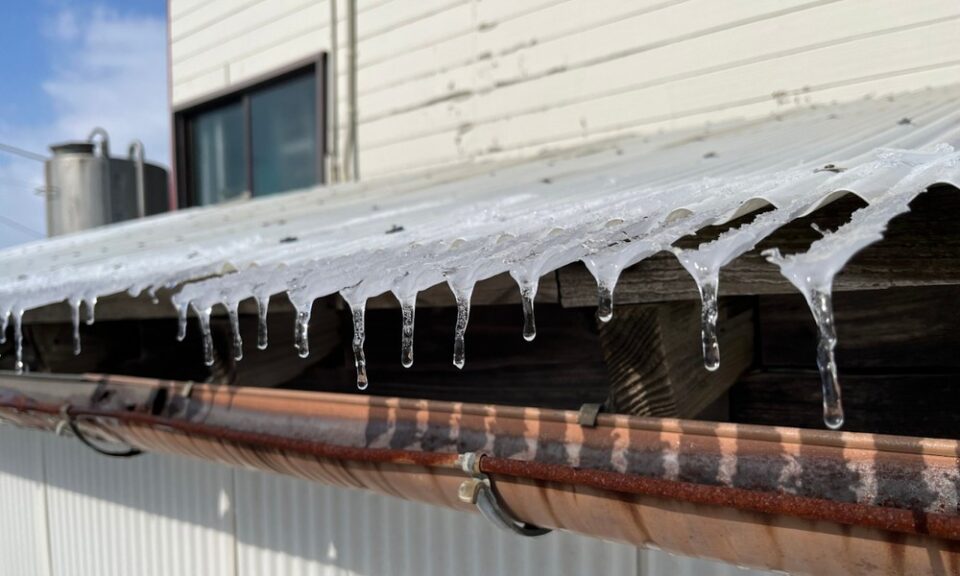
When homeowners think about roof protection, they usually picture shingles doing all the work. But many of the most expensive issues don’t start in the middle of the roof-they start at the edge. That thin line where shingles, underlayment, fascia, and gutters meet is where water, wind, pests, and freeze-thaw cycles love to cause trouble.
That’s exactly what drip edge is designed to prevent.
Drip edge is a metal flashing installed along roof edges (eaves and rakes). It helps direct water away from the roof deck, keeps moisture from wicking into wood, and creates a cleaner, more controlled path for runoff into your gutters. Done correctly, drip edge installation can stop small roofline annoyances from becoming big repairs.
Here are seven common “roof edge” problems drip edge helps solve-and how.
Water sneaking under shingles at the edge
The problem: Wind-driven rain doesn’t always fall straight down. It can blow up and under the first course of shingles, especially at roof edges and corners. Without proper edge flashing, water can find its way onto the roof decking or into the eave area.
How drip edge helps: Drip edge reinforces the roof edge and provides a physical barrier that helps keep water from curling under the shingles and into vulnerable seams. It works with your underlayment and starter shingles to tighten up the roof’s “perimeter defense.”
What you might notice without it: Damp or discolored roof decking at the edge, staining near soffits, or recurring wet spots after storms.
Fascia board rot and soft wood behind gutters
The problem: Fascia boards (the boards your gutters attach to) are constantly exposed to water. If runoff drips behind the gutter-or the roof edge allows moisture to wick into wood-fascia can soften, rot, and fail over time.
How drip edge helps: It directs water away from the fascia and into the gutter channel instead of letting it run behind the gutter line. This reduces the “hidden wetting” that often rots fascia from the backside, where you can’t see it until it’s advanced.
What you might notice without it: Peeling paint along the roofline, soft spots where gutter hangers attach, or gutters pulling loose.
Ugly streaking, staining, and paint failure on rooflines
The problem: Black streaks on fascia, stained soffits, and siding discoloration are often caused by water repeatedly hitting the same surfaces-especially if it’s dripping from the roof edge rather than cleanly draining into the gutter.
How drip edge helps: Drip edge creates a “clean break” for water, helping it fall where it’s supposed to fall. Instead of water clinging to the underside of shingles or creeping along wood trim, it gets directed outward into the gutter path, reducing repeated splash and runoff stains.
What you might notice without it: Water marks along fascia, stained siding below the roof edge, and paint that bubbles or flakes faster than it should.
Gutter overflow that isn’t caused by clogs
The problem: Homeowners often assume overflow means clogged gutters. But sometimes gutters overflow because water is missing the gutter entirely-shooting over it, slipping behind it, or bypassing it due to poor roof-edge geometry.
How drip edge helps: Properly placed drip edge helps guide runoff off the roof and into the gutter, reducing the chance of water “jumping” the trough. It also helps prevent water from running behind the gutter during heavy flow.
What you might notice without it: Overflow during moderate rain even when gutters look clean, or water pouring behind gutters instead of into them.
Ice buildup and edge “lock-ups” in winter
The problem: In colder months, roof edges are prime real estate for ice dams and freeze-thaw buildup. When water refreezes at the eave, it can push moisture back under shingles or create thick ice along gutters and fascia.
How drip edge helps: While drip edge isn’t a magic cure for ice dams (attic insulation and ventilation matter a lot), it can reduce moisture intrusion at the edge and help manage water’s path as it leaves the roof. It also protects the roof decking edge from repeated freeze-thaw exposure.
What you might notice without it: Ice clinging to roof edges, recurring winter leaks near eaves, or springtime fascia/gutter damage after a heavy freeze season.
Pests and insects finding easy entry points
The problem: Roof edges are full of tiny gaps-perfect for wasps, bees, birds, squirrels, and insects looking for warm, protected spaces. Over time, these intrusions can damage wood, clog ventilation paths, and create bigger issues.
How drip edge helps: Drip edge helps close and protect the edge line, reducing exposed wood and limiting some of the easy “lift points” where pests can start a nest or pry into the roofline. It’s not a standalone pest-proofing system, but it’s a meaningful layer of protection.
What you might notice without it: Wasp nests at the roof edge, birds poking around fascia/soffit seams, or signs of critter activity near the eaves.
Premature roof decking edge deterioration
The problem: Even if your shingles are in good shape, the roof deck edge can degrade from repeated wetting-especially when water wicks back onto the wood or drips underneath in a way that keeps the edge damp.
How drip edge helps: It shields the deck edge and guides water away from vulnerable wood layers. This reduces swelling, delamination, and long-term deterioration along the roof perimeter-an area that can be expensive to rebuild once it fails.
What you might notice without it: Soft roof decking at the eave, uneven shingle edges, or “mushy” areas discovered during repairs.
Drip edge is small, but it solves big problems because it protects the most vulnerable zone of your roof: the edge where water is constantly trying to sneak, soak, stain, freeze, or invite pests inside. If you’re dealing with roofline staining, recurring gutter issues, rotting trim, or winter edge problems, drip edge is often one of the most cost-effective fixes-especially when it’s installed correctly and integrated with gutters, underlayment, and flashing.
