
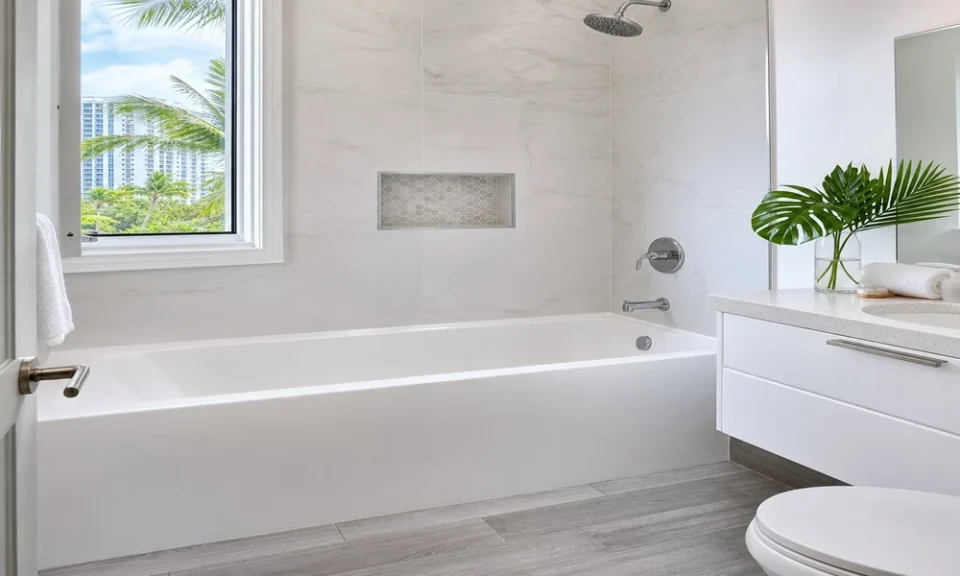
A damaged or old tub isn’t just an eyesore. In Miami, a bathtub that is cracked, has leaking caulk, or hidden leaks will continue to get worse due to the humidity, heat, and water exposure in the area. If you’re considering bathtub replacement, installing a new one will improve its aesthetics, functionality, and reduce the likelihood of future water damage.
Bathtub Replacement in Miami
South Florida experiences high levels of humidity (see it here) year-round. In many older Miami condos and homes, a dated tub can often lead to mold or mildew staining, chipping, cracks, soft spots, or deteriorating caulk around the perimeter of the tub. If water is getting behind the tub surround or underneath the flooring, then it will only get worse before you notice it.
Bathtub replacement can be a good idea if you’re experiencing any of the following:
- Visible cracks, rust stains, or flaking finish
- Mildew buildup around seams
- Clogged drains or slow water flow
- Softness in the floor next to the tub
- An unsteady or uncomfortable surface
- An outdated or inappropriate tub for your space
You’ll also want to replace your tub to get an opportunity to assess the condition of the walls and subfloor, which can uncover small problems that will turn into big ones in the future.
Choosing Your Bathtub
Before installing a bathtub in Miami, it’s important to take the dimensions and layout of the bathroom into consideration. In many cases, apartments and older homes in Miami have tight quarters, narrow entryways, or fixed plumbing configurations that restrict what size tubs can be used.
Alcove tubs are popular since they fit snugly against three walls and are ideal for adding a shower. Freestanding tubs are more of a statement piece and require more room to breathe, plus an intricate plumbing connection. Drop-in tubs have a built-in look, but require a framing or decking system.
The material you choose for your new bathtub also matters. Acrylic and fiberglass tubs are light and easier to maneuver through tighter spaces. Steel and cast iron tubs are durable, but heavy and may require extra reinforcement in the floor. Smooth finishes and tight seals are important in Miami’s climate to reduce water absorption and facilitate easy maintenance.
How Bathtub Installation Works
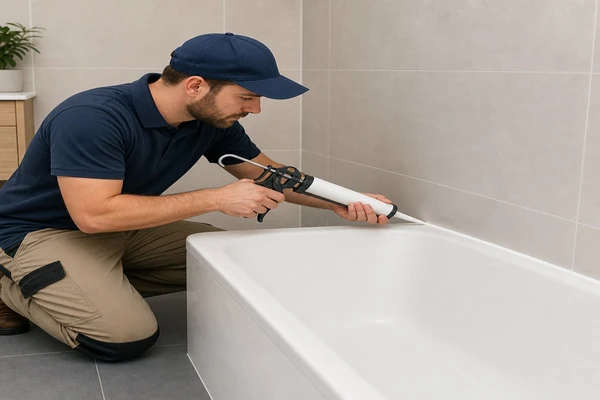
Installing a bathtub isn’t as simple as pulling one out and pushing another in. The area around the tub may need to be removed so the plumbing and walls can be properly evaluated.
Common steps in a bathtub installation:
- Turn off the water supply to the tub and remove the plumbing
- Remove the old tub and associated wall and flooring
- Inspect walls and flooring for damage
- Repair or modify existing plumbing or framing if needed
- Place the new bathtub in position and level it
- Hook up plumbing and test the drain
- Install the surround, tile, or paneling
- Seal all joints with waterproof material to avoid leaks
Proper leveling is critical, as water will pool at one end if the tub is off-balance. This will cause the new installation to fail sooner than expected, and increase the risk of water damage.
Waterproofing
Waterproofing is not optional when installing a new bathtub in Miami. Even a new tub won’t prevent water from getting behind the walls, as you can read at https://www.cdc.gov/mold-health/about/index.html, if they aren’t properly sealed.
Proper sealing will include water-resistant materials behind the tub, caulk at the seams, and a flexible sealant along the perimeter of the tub where it touches the wall. It isn’t enough to simply install tile and grout.
This is particularly true in multi-story buildings, since water will travel and cause damage in other areas. Once the plumbing is reconnected, the entire system should be tested to make sure there are no leaks before using the tub again.
Special Considerations for Miami
Depending on the scope of work, you may need to navigate condo bylaws or local ordinances during bathtub installation in Miami. Condo buildings have specific restrictions on construction times, water shut-offs, elevator access, and trash disposal.
Single-family homes can also present issues, including older pipes, slab foundations, and uneven floors. These factors should be considered before starting demolition to avoid unnecessary delays.
If you’re planning on replacing your bathtub, it’s the perfect time to think about adding comfort features and accessibility features. Minor updates like lowering the tub apron, moving the location of the shower valve, adding shelves, or framing in wall blocking for a future grab bar, can improve safety and usability without making significant changes to the overall floor plan.
Final Thoughts
Bathtub replacement is a good way to update a dated or broken tub. It will also ensure that you don’t have water damage to the walls and flooring in the future. If you hire a professional contractor and use the right materials and techniques, you can expect a better-looking, easier-to-use bathtub.
