
Few things cause more dread than discovering bed bugs in your home. These tiny, blood-feeding pests are notoriously difficult to eliminate and can infest even the cleanest spaces. Worse, by the time most people realize they have bed bugs, the problem is already well underway.
But with the right information and a proactive approach, you can detect the signs early, take steps to prevent an infestation, and understand what’s really involved in getting rid of them—for good.
Welcome to Bed Bugs 101, your complete guide to spotting, preventing, and eliminating one of the most persistent pests around.
What Are Bed Bugs?
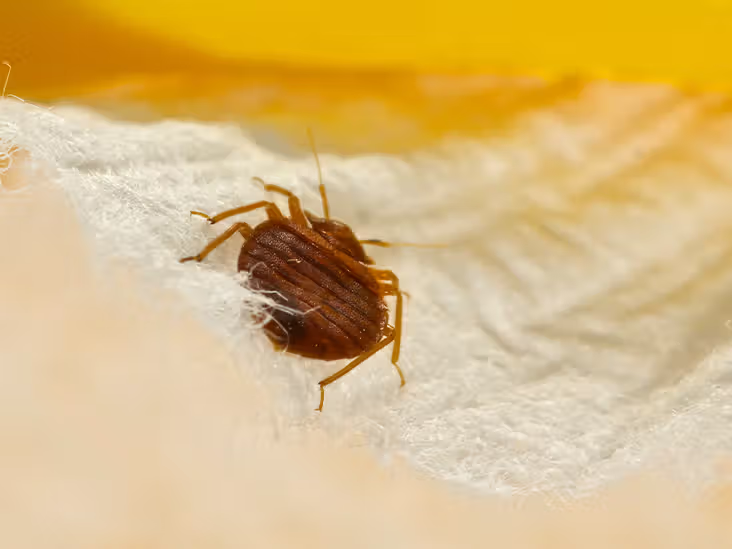
Bed bugs are small, reddish-brown, wingless insects that feed exclusively on the blood of humans and other warm-blooded animals. Adult bed bugs are about the size of an apple seed and typically hide in cracks, crevices, and furniture during the day, emerging at night to feed.
They do not jump or fly but move quickly, and they can spread throughout a home rapidly once established.
How to Spot the Signs
One of the biggest challenges with bed bugs is that they’re excellent at hiding. However, they do leave behind some telltale clues.
Common signs of bed bug activity include:
- Bite Marks
- Small, red, itchy welts, often in lines or clusters.
- Bites typically appear on exposed skin (arms, neck, legs) and may take hours or days to show up.
- Not everyone reacts to bites, so don’t rely on this alone.
- Small, red, itchy welts, often in lines or clusters.
- Dark Spots or Smears on Bedding
- Tiny black fecal spots (digested blood) on sheets, pillowcases, or mattresses.
- You may also see rust-colored smears from crushed bugs.
- Tiny black fecal spots (digested blood) on sheets, pillowcases, or mattresses.
- Shed Skins and Egg Casings
- Bed bugs shed their skin multiple times as they grow.
- Look for translucent shells around mattress seams, headboards, or furniture cracks.
- Bed bugs shed their skin multiple times as they grow.
- Live Bed Bugs
- Adult bed bugs are small but visible.
- Check around mattress seams, box springs, behind picture frames, baseboards, or in nightstands.
- Adult bed bugs are small but visible.
- A Musty Odor
- Larger infestations may produce a sweet, musty odor caused by bed bug pheromones.
- Larger infestations may produce a sweet, musty odor caused by bed bug pheromones.
Where They Hide
Bed bugs prefer to live close to their food source (you). Common hiding spots include:
- Mattress seams and box springs
- Cracks in bed frames and headboards
- Behind electrical outlets or picture frames
- Inside couches and chairs
- Under baseboards and loose wallpaper
- In luggage, clothing, and books
How Bed Bugs Spread
Contrary to popular belief, bed bugs are not caused by poor hygiene. They are expert hitchhikers and can enter your home through:
- Luggage after travel
- Used furniture or mattresses
- Guests or visitors
- Shared laundry facilities
- Multi-unit housing with an existing infestation
Once inside, they quickly find hiding spots and begin reproducing. A single female can lay hundreds of eggs in her lifetime.
Prevention Tips
While it’s impossible to guarantee complete protection, you can reduce your risk significantly by following these preventive steps:
After Traveling:
- Inspect hotel mattresses and headboards for signs of bed bugs.
- Keep luggage off the floor and bed.
- Unpack in a garage or laundry room, and wash clothes on high heat immediately.
At Home:
- Use protective covers on mattresses and box springs.
- Vacuum regularly and reduce clutter where bed bugs can hide.
- Avoid bringing secondhand furniture or mattresses into your home unless thoroughly inspected.
- Seal cracks and crevices around baseboards and walls.
In Shared Living Spaces:
- Report signs of bed bugs to landlords or building management immediately.
- Avoid placing laundry on shared surfaces or in carts used by others.
- Don’t ignore signs, even if you haven’t seen a live bug—early action is key.
How to Eliminate Bed Bugs
Unfortunately, DIY methods rarely work against bed bugs, especially once an infestation is established. These pests are highly resilient and can survive in hidden spaces for weeks without feeding.
Effective elimination usually requires:
- Professional inspection to assess the extent and location of the infestation.
- Heat treatments, which raise the temperature in your home to levels that kill all stages of bed bugs (including eggs).
- Targeted chemical treatments performed by licensed professionals.
- Follow-up visits to ensure all bed bugs have been eliminated.
- Ongoing monitoring using traps or visual inspections.
Trying to handle bed bugs on your own can make the problem worse by scattering the pests and causing them to hide deeper in your home.
Final Thoughts
Bed bugs are a serious, stressful, and persistent problem—but they’re not unbeatable. The key is to act quickly, avoid common myths, and trust experienced professionals to handle the job effectively.
Whether you’re in a single-family home or a high-rise apartment in the city, staying educated and proactive is your best defense. Know the signs, check often, and don’t wait if you suspect bed bugs might be in your home.
Because when it comes to bed bugs, early action is everything. We recommend Positive Pest Management.
