
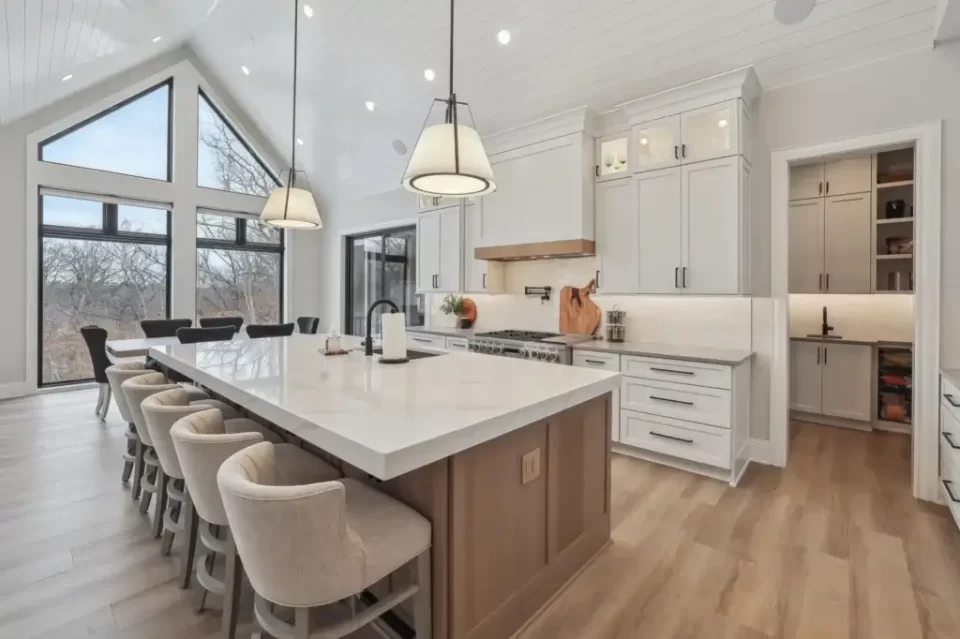
The heart of a contemporary residence has transformed. It is no longer just a place for preparing meals. This central space now serves as a hub for family life and entertaining guests.
Creating a room that balances style with practical needs is essential. Homeowners today seek environments that reflect their personal tastes and daily routines. Every detail, from the overall layout to the choice of surfaces, matters.
Arthan Fitted Kitchens specialises in this approach. They focus on crafting bespoke solutions that align with individual lifestyles. Their work incorporates the latest trends and innovations for today’s interiors.
This article aims to guide you through a comprehensive exploration. It will cover fundamental concepts and specific elements that define a contemporary aesthetic. The goal is to inspire your own renovation project, whether a full transformation or a thoughtful update.
Key Takeaways
- The contemporary kitchen has evolved into a multifunctional social centre of the home.
- Personalised layouts allow for a perfect balance of aesthetics and everyday functionality.
- Bespoke solutions ensure every element aligns with the homeowner’s unique lifestyle.
- Incorporating the latest innovations enhances both the practicality and visual appeal of the space.
- A well-planned renovation can transform the room into a source of inspiration and daily joy.
- Expert guidance, like that from Arthan Fitted Kitchens, helps navigate the multitude of available options.
Understanding the Essence of a Modern Kitchen
Today’s residential layouts prioritise the culinary workspace as a multifunctional environment. This approach moves beyond basic meal preparation to create a cohesive living area.
Defining the modern kitchen style
The contemporary aesthetic embraces clean lines and minimalist principles. It contrasts sharply with traditional or country styles through its functional simplicity.
Every component serves a purpose while contributing to the overall harmony. The result is an uncluttered look that feels both sophisticated and practical.
Key features and design elements
Signature characteristics include handleless cabinetry and integrated appliances. A restrained colour palette creates a streamlined appearance throughout the space.
Open-plan layouts connect cooking areas with dining and living zones. This design encourages social interaction and enhances the sense of room.
Materials like glass, steel and stone define the modern interior. Flat-panel doors and sleek hardware complete the cohesive look.
Innovative Custom Kitchen Design Ideas for Modern Homes
The evolution of residential food preparation zones reveals exciting possibilities for personal expression through thoughtful planning. These innovative kitchen design ideas demonstrate how creativity can transform functional spaces into personalised environments.
Designer Betsy Wentz showcases one approach by converting a butler’s pantry into an elegant home bar. The space features rich blue-violet paint with mirrored tiles and gold accents, proving that unconventional thinking can redefine a room’s purpose in a sophisticated way.
Sarah Stacey’s work illustrates how functional items can serve as decorative elements. Her kitchen design incorporates patinaed cookware displayed above the stove, adding character while breaking up neutral backsplash tones. This approach maintains accessibility for daily use.
Sawyers Design demonstrates bold colour-blocking techniques that unite vibrant hues throughout the home. Their approach creates a cohesive yet distinctive room where the kitchen becomes the central gathering space, tying together the entire residence’s aesthetic.
Ali Budd successfully balances statement appliances with complementary finishes. Her use of a bubblegum pink range alongside antique brass, limewash, wood, marble, and emerald quartzite creates a sophisticated look. This kitchen design proves that bold choices can maintain elegance when thoughtfully executed.
Maximising Space and Functionality in Kitchen Design
Strategic planning is the cornerstone of a highly usable and organised food preparation area. It begins with the thoughtful placement of essential appliances.
The oven, hob, sink, and fridge form the work triangle. Positioning them based on natural cooking workflows minimises unnecessary movement. This creates a more efficient kitchen space.
Open-plan layouts and flow
An open-plan design connects the cooking area with dining and living zones. This seamless flow allows hosts to interact with guests while preparing meals.
It fosters a sense of togetherness, making the room the true social heart of the home. The entire space feels larger and more integrated.
Efficient storage solutions
Intelligent storage is vital for an uncluttered kitchen. Pull-out compartments with integrated shelving act as mini pantries.
Corner drawers reveal hidden capacity, maximising every centimetre. Cupboard organisers fitted inside doors also optimise storage potential.
Wall-mounted rails or small shelves on splashbacks utilise vertical space. They are perfect for hanging utensils or storing everyday items like herbs.
Comparing Common Kitchen Layouts
| Layout Type | Best For | Flow Efficiency | Storage Potential |
|---|---|---|---|
| Galley | Smaller, narrow rooms | High | Moderate |
| L-Shaped | Open-plan areas | Very High | High |
| U-Shaped | Larger spaces | Excellent | Very High |
| Island | Social, family kitchens | Good | Additional options |
Creative Kitchen Island Concepts
The kitchen island has become the centrepiece of contemporary living spaces, blending functionality with social interaction. These versatile installations transform ordinary cooking areas into dynamic hubs for family life and entertainment.
Choosing the perfect island design
Designer Ali Budd created a stunning 13-foot green quartzite island with an attached banquette. This approach merges workspace and seating into one luxurious focal point.
Krysta Gibbons of Kipling House Interiors offers an alternative concept. She designed a baker’s table instead of a traditional kitchen island, featuring a marble slab perfect for pastry work.
“The right island configuration can completely redefine how a family uses their culinary space.”
Integrating seating and cookzones
Allison Willson demonstrates effective entertaining design with seven barstools around an island perimeter. This creates an abundant rather than crowded atmosphere for guests.
Functional elements like sinks, ovens, and wine storage can be built directly into the island structure. Organised drawer systems maximise utility in the central preparation area.
Island Configuration Comparison
| Island Type | Primary Function | Seating Capacity | Built-in Features |
|---|---|---|---|
| Entertainment Focus | Social gathering | 4-8 people | Wine cooler, snack bar |
| Workstation Island | Food preparation | 2-3 people | Sink, cutting board, storage |
| Mobile Unit | Flexible use | 1-2 people | Limited built-ins |
| Multi-zone Island | Combined functions | 3-6 people | Cooktop, seating, storage |
Extended counters and mobile units on wheels offer additional layout versatility. The perfect kitchen island balances aesthetic impact with practical functionality, serving as both visual centrepiece and hardworking space.
Inspiring Cabinet and Storage Solutions
The selection of cabinetry forms the foundation of an organised and aesthetically pleasing culinary environment. A crucial first step involves calculating the required number of units, cupboards, and drawers. It is wise to overestimate storage needs, as available space tends to be filled to capacity over time.
Various cabinet styles create distinct atmospheres. Shaker cabinets and raised or recessed panel doors offer a more traditional look. In contrast, sleek flat-panel doors are synonymous with a contemporary aesthetic.
Colour choices dramatically influence the room’s feel. White cabinets deliver a crisp, clean appearance. Grey provides a versatile neutral base. Bold hues like dark blue or green make a striking statement in a contemporary scheme.
For a more open feel, exposed shelving or glass-fronted cabinets suit eclectic or industrial looks. These options require careful curation of displayed items.
The final touch comes from hardware. Choices range from traditional knobs to modern bars or ultra-sleek, handleless cabinetry for a seamless finish.
Comparing Cabinet Door Styles
| Style | Aesthetic | Best Suited For | Maintenance Level |
|---|---|---|---|
| Shaker | Traditional, timeless | Classic, country, transitional looks | Moderate (details can collect dust) |
| Raised/Recessed Panel | Dimensional, detailed | Traditional to bold contemporary spaces | Moderate to High |
| Flat-Panel (Slab) | Modern, minimalist | Contemporary, industrial, Scandinavian | Low (easy to clean) |
| Glass-Front | Open, decorative | Eclectic, spaces wanting visual lightness | High (requires interior tidiness) |
Lighting Ideas to Enhance Ambience
The strategic placement of light sources plays a crucial role in defining a room’s atmosphere. Effective illumination serves both practical needs and aesthetic goals, transforming functional areas into inviting spaces.
Pendant and recessed options
Recessed spotlight systems offer excellent LED illumination ideal for contemporary schemes. These discreet fixtures provide widespread light without dominating the visual space.
Pendant lighting comes in countless styles, colours, and designs. The popular choice involves one or two statement pendants suspended over islands, creating focal points that combine style with directed light.
Traditional hanging ceiling lights or chandeliers complement various aesthetics from classic to transitional. They add character while ensuring adequate brightness throughout the area.
Under-cabinet lighting directly illuminates work surfaces for safe food preparation. These systems can be pre-installed by suppliers or added later as easy-install options.
Layered approaches combine ambient ceiling lights with focused task lighting and decorative pendants. This creates flexible illumination that adapts to different activities from cooking to entertaining.
Incorporating Bold Colour and Texture
Moving beyond neutral palettes introduces a dynamic energy into a home’s central gathering space. Thoughtful application of vibrant color and rich texture creates rooms with distinctive personality and lasting visual impact.
Dramatic choices can be successfully balanced. Designer Jenna Chused used glossy green paint on the floors of a country kitchen. She tempered this bold decision with cream cabinetry and a deep black island.
Exploring alternatives to dominant trends offers fresh inspiration. Kristen Peña selected a green backsplash as a unique alternative to popular blues. Her choice was inspired by cypress trees, using Ann Sacks tiles with unique hues.
Using statement materials
Statement materials introduce texture alongside color. Distinctive tile selections and textured stone surfaces add depth beyond flat, monotone applications.
Layering patterns successfully requires a strategic approach. Heather French demonstrated this by coordinating café curtains, an island skirt, rugs, and a marble backsplash. She anchored the diverse patterns with solid, inky navy cabinets for cohesion.
This method creates a sophisticated look full of character. The final design feels curated and personal, moving beyond safe choices to express individuality.
Choosing Durable and Stylish Surfaces
Surface selections form the foundation of both durability and daily aesthetics. The materials chosen for countertops, walls, and floors must withstand heavy use while contributing to the room’s overall character.
Countertop and splashback trends
Luxurious stone remains a popular choice for worktops. Materials like quartz and quartzite offer the beauty of marble with superior resilience. Distinctive varieties include White Macaubas with fluted edges or Calacatta Viola with its swirling patterns.
For the backsplash, practicality is key. Francis Nicado prioritised easy cleaning, selecting an Ann Sacks tile that wipes down quickly. This approach is crucial in areas prone to splashes.
Designer Stephanie Sabbe chose brass hardware for its unique patina that develops over time. This shows how even functional elements can become more beautiful with age.
Flooring and tiling considerations
Flooring options must balance aesthetics with hardwearing performance. Jessie Schuster used dark wood floors that run seamlessly into the space. This created a warm contrast with lighter cabinetry.
Coordinating different surfaces creates a cohesive scheme. Each element should complement the others. FORRM architects combined a sumptuous oak base with quartzite countertops for a harmonious look.
The goal is to select materials that maintain their appeal for years. Properly sealed marble, durable tiles, and robust flooring ensure the space remains both practical and stylish.
Integrating Modern Appliances Seamlessly
Seamlessly blending cooking technology with interior schemes requires careful consideration of both visual impact and practical needs. The right approach transforms functional equipment into cohesive design elements.
Ali Budd’s project demonstrates how bold appliance choices can become focal points. Her clients’ bubblegum pink range was balanced with complementary finishes like antique brass and marble. This created a sophisticated look where the appliance enhanced rather than dominated the space.
Lindsay Rhodes took a different approach with a bespoke pink-and-white cabana-striped range hood. This functional necessity became a decorative statement, bringing distinctive Palm Beach character to a beach-inspired room. Pendant lights and a half-moon island completed the resort-like atmosphere.
For everyday equipment like refrigerators and dishwashers, concealment within built-in cabinetry offers a streamlined solution. This technique prevents the area from feeling cluttered with bulky items while maintaining full functionality for daily cooking activities.
Appliance Integration Approaches
| Integration Method | Best For | Visual Impact | Practical Considerations |
|---|---|---|---|
| Statement Feature | Unique, colourful appliances | High – becomes focal point | Requires complementary finishes |
| Custom Enhancement | Range hoods, specialised units | Medium – decorative element | Needs coordination with overall scheme |
| Full Concealment | Refrigerators, dishwashers | Low – blends into background | Requires precise cabinetry measurements |
| Partial Integration | Ovens, coffee machines | Medium – balanced presence | Needs strategic positioning |
The key lies in determining which pieces deserve visual prominence and which should recede into the background. Smart technology and energy-efficient models further enhance both functionality and aesthetic cohesion. Thoughtful integration ensures the room remains design-focused rather than appearing as an equipment showroom.
Balancing Tradition and Contemporary Elements
Creating a harmonious blend of old and new elements requires thoughtful consideration of materials and finishes. This approach results in spaces that feel both timeless and current.
Mixing classic details with modern design
Designer Amber Lewis demonstrates this balance beautifully. She combined patinaed copper and Calacatta marble with modern painted cabinetry. The result showcases New England charm with coastal casualness.
Nina Farmer used three distinct timber finishes in one scheme. Lower cabinets received dark teal paint while ceiling-height units got a light stain. The island featured a chocolate-brown stain for cosy dimensionality.
Rafael de Cárdenas took a minimalist approach. He wrapped the entire space in white oak with matching Crema Valencia marble islands. This creates a restrained yet warm aesthetic.
Nick Olsen maintained predominantly white surfaces throughout. He introduced traditional character with a sky-blue ceiling and functional pot rack. This adds vintage charm without overwhelming the modern foundation.
Approaches to Blending Traditional and Contemporary Elements
| Designer Approach | Traditional Elements | Contemporary Features | Resulting Aesthetic |
|---|---|---|---|
| Amber Lewis | Patinaed copper, Calacatta marble | Painted cabinetry, linen seating | Coastal New England charm |
| Nina Farmer | Varied wood stains, classic proportions | Modern colour blocking, clean lines | Cosy dimensional warmth |
| Rafael de Cárdenas | Natural oak, marble surfaces | Minimalist sensibility, unified palette | Restrained elegance |
| Nick Olsen | Pot rack, colour accents | White surfaces, modern layout | Fresh traditional character |
The successful fusion of periods creates rooms with depth and personality. It avoids both sterile modernism and nostalgic recreation.
Personalising Your Kitchen to Reflect Your Lifestyle
The most successful culinary environments emerge from honest assessments of daily routines and genuine needs. Designer Breegan Jane created her space with entertaining prioritised over cooking facilities, openly acknowledging she isn’t a cook.
Custom features for family needs
Caitlin Jones Ghajar demonstrates this approach with a San Francisco apartment. Her client rarely cooked meals but enjoyed afternoon tea and pre-dinner cocktails. The vibrant space keeps essentials accessible without wasted storage.
Lorenzo Castillo solved compact living challenges in a Paris apartment. He slid an upholstered bench beside the island, creating a mini breakfast nook. The seating and surface maintained similar width and height for comfortable family meals.
These examples show how spaces should serve actual lifestyle patterns. A busy household might need dedicated homework stations or pet feeding zones. Another family may require ample seating around a substantial dining table for gatherings.
The key lies in identifying genuine priorities before planning begins. Whether focusing on efficient weekday breakfast routines or entertainment-centred layouts, the result should feel authentically tailored to how people live in their home.
Expert Tips from Renowned Designers
Learning from award-winning interior specialists provides invaluable insights into creating exceptional culinary spaces. Their projects demonstrate how thoughtful material choices and colour applications transform functional areas into artful expressions.
Inspiration from award-winning projects
Redd Kaihoi’s New York home features Venetian plaster walls and a rounded-edge island. The timber base grain complements the marble countertop without competing for attention.
ELLE DECOR A-List firm Commune worked with green slate, bronze, and walnut in a Montana house. This sprawling 10,000-square-foot space shows masterful material combinations.
Ashe Leandro applied colour wheel principles in a Texas home. They painted the island sky blue to pair beautifully with rustic burnt-orange floor tiles.
Alfredo Paredes designed his family mansion with swirling Calacatta Viola marble. He matched timber to the historic ceiling and carried gold fixtures throughout the room.
Sheila Bridges created a Vermont kitchen with a 10-foot walnut island painted Calke Green. This colour references Vermont’s license plates, adding personal meaning.
The O’Brien Harris team partnered with Goesling Group for a completely bespoke project. Rich cabinetry, brass hardware, and a sculptural hood demonstrate how collaboration elevates interior spaces.
These examples show how studying professional work provides practical insights. Material selection, spatial planning, and detail execution can elevate any house’s heart.
Enhancing Outdoor and Indoor Transition in Kitchen Spaces
Blurring the boundaries between interior and exterior spaces creates a fluid living experience that extends the home’s functional footprint. This approach transforms how families interact with their environment throughout different seasons.
Architectural features play a crucial role in achieving this connectivity. Large glass doors and folding wall systems remove physical barriers between the cooking area and garden settings.
Seamless access to outdoor dining areas
Strategic positioning of the kitchen island to face outdoor spaces encourages natural flow during meal preparation. This layout allows hosts to engage with guests in the garden while cooking.
Material continuity strengthens the visual connection. Extending similar flooring from the interior space onto patios creates cohesion. Weather-resistant materials that work in both environments maintain this seamless transition.
Adam Ben Wagner’s California ranch exemplifies this philosophy. His entertaining barn features a kitchen that flows directly into lounge areas. Integrated full-height bookshelves create an intimate library atmosphere rather than a typical separated room.
Celeste Robbins’ Lake Michigan home demonstrates how compact spaces can maximise connection. Despite the kitchen’s small size, timber materials and a cosy fireplace make it the natural gathering spot in the house.
Strategies for Indoor-Outdoor Kitchen Transitions
| Transition Method | Key Benefit | Ideal For | Considerations |
|---|---|---|---|
| Large Glass Doors | Uninterrupted visual connection | Entertainment-focused homes | Requires adequate structural support |
| Material Continuity | Visual cohesion between spaces | All property types | Weather-resistant material selection |
| Strategic Island Placement | Engagement with outdoor areas | Family-oriented layouts | Careful consideration of sightlines |
| Folding Wall Systems | Complete boundary removal | Warm climate properties | Higher installation complexity |
Enhancing these transitions expands the usable living area of any house. It creates flexible entertaining options while strengthening the connection between cooking activities and the natural environment.
Budget-Friendly Solutions for a Trendy Look
Financial constraints need not limit the creation of an appealing culinary space with strategic budget allocation. Smart planning allows homeowners to achieve a fresh look without overspending on their renovation.
Affordable accessories offer immediate impact. Baskets, trolleys, and decorative storage jars provide both practical solutions and aesthetic appeal. They refresh the room’s appearance without major structural changes.
For compact areas, shallower units free up valuable floor space. Open shelving or glass-fronted cabinets create openness without expensive wall removals. These approaches make small spaces feel less confined.
Maximising vertical storage is another clever way to enhance functionality. Floor-to-ceiling cupboards utilise often-wasted space efficiently. Wall or ceiling racks provide handy storage for pans when cabinet space runs out.
Cost-Effective Kitchen Enhancement Options
| Solution Type | Budget Impact | Visual Benefit | Practical Advantage |
|---|---|---|---|
| Accessory Updates | Low cost | Instant refresh | Additional storage |
| Open Shelving | Medium savings | Airy, open feel | Easy access to items |
| Vertical Storage | High value | Streamlined appearance | Maximises small spaces |
| Hardware Updates | Minimal investment | Modern finish | Improved functionality |
Prioritising investments in durable worktops while economising on less visible elements creates the best value. This strategic approach proves that financial limitations need not prevent achieving a stylish, functional kitchen that enhances any home.
How a Fitted Installation Can Transform Your Space
A professionally fitted installation represents a holistic approach to creating a cohesive culinary environment. Unlike piecemeal updates, this method plans every element as an integrated system.
This ensures all components work in harmony, tailored precisely to the room’s dimensions. The result is a highly functional and aesthetically unified space.
Practical advice for maximising value
Arthan Fitted Kitchens specialises in maximising every centimetre of available area. Their approach ensures fitted cabinetry utilises awkward corners and accommodates architectural features.
This creates seamless built-in storage throughout the kitchen. Concealed appliances blend into the cabinetry for a streamlined appearance.
Professional planning during a renovation prevents costly mistakes. It ensures proper measurements and installations from the outset.
The practical benefits are significant:
- Coordinated worktop installations without gaps or misalignments
- Integrated lighting systems that illuminate the entire space effectively
- Storage solutions that accommodate all necessary items and appliances
Arthan Kitchens guides clients through the entire process. This includes initial consultations assessing space requirements and lifestyle needs.
Their fitted kitchen installations address all aspects simultaneously. This comprehensive approach results in kitchens that maximise functionality and aesthetic appeal.
For any renovation, considering fitted cabinetry ensures a professionally finished result. It transforms the area into a beautifully coordinated environment.
Conclusion
A truly successful culinary space emerges when personal vision meets practical execution. This comprehensive exploration has shown how the contemporary kitchen balances aesthetic appeal with everyday functionality.
Readers can draw inspiration from diverse approaches while recognising their unique lifestyle needs. Each renovation should reflect individual preferences rather than simply following trends.
Thoughtful planning ensures the room serves the home beautifully for years to come. Whether working with expansive areas or compact spaces, well-considered choices enhance both utility and charm.
Professional guidance helps translate inspiration into reality. The right expertise ensures your dream kitchen becomes a functional, beautiful room that enriches daily life.
FAQ
What defines a contemporary kitchen style?
A contemporary style typically features clean lines, minimal ornamentation, and a focus on functionality. Key elements include handle-less cabinetry, integrated appliances, and a neutral colour palette often accented with bold textures or materials like brass or marble.
How can I make a small kitchen feel more spacious?
Utilising an open-plan layout can greatly enhance the feeling of space. Incorporating clever storage solutions, such as tall larder units and pull-out racks, keeps worktops clear. Light colours, reflective surfaces like quartz, and strategic lighting also help to create an airy, uncluttered feel.
What should I consider when choosing a kitchen island?
The island’s size and function are paramount. It should complement the room’s flow, not obstruct it. Consider integrating a breakfast bar for casual dining or a second sink or hob to create a dedicated cookzone. The material, such as a durable oak worktop, should suit its intended use.
What are the current trends for splashbacks and flooring?
Large-format tiles with minimal grouting are popular for a seamless look on both walls and floors. For splashbacks, textured tiles or bold, coloured glass make a statement. For flooring, durable and stylish options like porcelain tiles that mimic wood or concrete are trending for their practicality and aesthetic appeal.
How can I incorporate modern appliances without disrupting the design?
Built-in or integrated appliances are ideal for a streamlined appearance. Many homeowners choose to hide refrigerators and dishwashers behind cabinetry panels that match the rest of the kitchen’s cabinetry, creating a cohesive and uninterrupted look.
Can I mix traditional elements with a modern design?
Absolutely. Blending styles adds character. For instance, pairing Shaker-style cabinetry with contemporary handle-less units creates a balanced look. Introducing classic materials like marble or brass lighting into a minimalist scheme can add warmth and charm.
What are some budget-friendly ways to update a kitchen?
Instead of a full renovation, consider repainting existing cabinets for a fresh look. Updating hardware, such as cupboard handles and taps, can make a significant impact. Installing new lighting, like a statement pendant over the dining table, is another cost-effective way to enhance the room’s ambience.
