
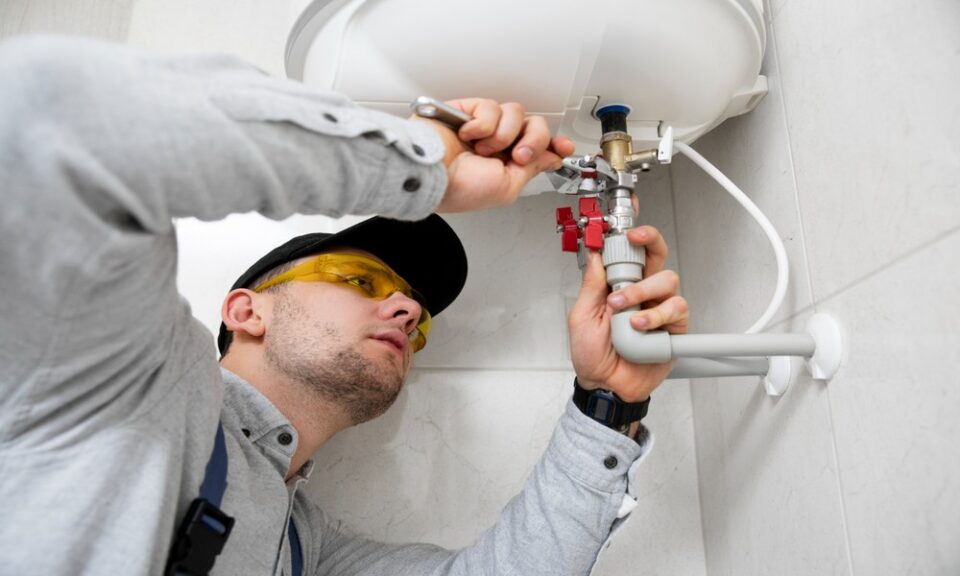
Troubleshooting Common Boiler Faults: When to Call a Heating Engineer
A functioning central heating system is the heart of a comfortable UK home, especially during the colder months. Recognising early signs of a fault can prevent minor issues from escalating into major household disruptions.
Timely identification of malfunctions helps avoid expensive repairs and extends the lifespan of your equipment. It also maintains crucial safety standards for your household.
This guide outlines various symptoms a system might display. While some basic checks can be performed safely, many situations demand the skills of a qualified, Gas Safe registered engineer.
Modern appliances often have built-in diagnostic features. However, interpreting these correctly and completing repairs safely requires professional expertise. The following information will help you understand when to seek that assistance.
Key Takeaways
- Early recognition of heating system faults can prevent costly damage and improve safety.
- Reliable hot water and central heating are essential for household comfort, particularly in winter.
- Some basic troubleshooting is possible, but many repairs must be handled by a Gas Safe registered professional.
- Understanding typical symptoms empowers homeowners to make informed decisions about maintenance.
- Modern boilers may provide error codes, but correct diagnosis often needs an engineer’s expertise.
- Prompt professional intervention can extend your system’s operational life and efficiency.
Introduction to Boiler Faults and Heating Systems
Malfunctions within a property’s heating network can swiftly transform a comfortable home into an inconvenient and sometimes unsafe environment. The boiler is the central component, responsible for providing both central heating and domestic hot water. When it develops a fault, daily life is immediately disrupted.
Overview of Common Issues
Heating system issues range from sudden failures to gradual declines in performance. The most frequently encountered faults include:
- Water leaks from valves or pipes.
- Irregular pressure readings on the gauge.
- A complete loss of heating or hot water.
- Unusual banging, gurgling, or whistling noises.
These symptoms manifest differently depending on the appliance’s age and type. Modern condensing boilers present unique challenges but often display digital error codes. This makes initial fault recognition more straightforward than with older systems.
The Impact on Home Comfort and Safety
A faulty boiler halts normal household routines. The risks, however, extend beyond mere inconvenience. Certain malfunctions pose serious safety threats, including potential carbon monoxide exposure, water damage to property, and electrical hazards.
Neglected maintenance is a primary cause of most issues. Annual servicing by a Gas Safe registered engineer is crucial for prevention. Recognising the signs early allows for timely intervention. This minimises repair costs and prevents extended periods without essential services.
Understanding Common Boiler Problems That Require Professional Heating Engineers
Two critical indicators of a heating system’s health are its internal pressure and the temperature of the water it circulates. Stable readings are essential for reliable operation.
When these values become irregular, it often points to faults beyond basic homeowner fixes.
Identifying Pressure and Temperature Irregularities
Correct boiler pressure is typically around 1.5 bar. A reading consistently below 1 bar or soaring above 2.5 bar signals trouble.
Low pressure can cause cold radiators and a lack of hot water. This often stems from a hidden leak or after bleeding radiators.
Excessively high pressure may trigger an automatic shut-off. Similarly, water that overheats or fails to reach temperature affects performance.
Recognising Symptoms in Heating and Hot Water
Inconsistent performance between heating and hot water is a clear red flag. For instance, having hot water but no central heating often indicates a failed internal valve.
These symptoms show how pressure fluctuations disrupt circulation. While topping up pressure is sometimes a DIY task, finding the root cause is not.
Faults like a damaged pump or a faulty pressure relief valve need a professional with the right tools and Gas Safe registration to resolve safely.
Identifying Symptoms: Leaks, Noises, and Pressure Fluctuations
Leaks, unexpected noises, and pressure changes form a trio of symptoms that signal underlying issues with a heating system. A water leak is a serious concern. It can damage property and create electrical hazards.
Homeowners should never remove the appliance casing. Contact a qualified engineer immediately if a leak is spotted.
Decoding Unusual Noises and Vibrations
Strange noises from your boiler are auditory clues. Some indicate minor issues like trapped air. Others warn of imminent component failure.
|
Noise Type |
Potential Cause |
Homeowner Action |
|
Gurgling |
Trapped air in the system |
May require bleeding; monitor |
|
Banging/Knocking |
Loose parts or debris on heat exchanger |
Indicates need for professional inspection |
|
Humming |
Excessively high mains water pressure |
Check pressure reducing valve |
|
Whistling/Whooshing |
Blocked air intake or filter |
Requires engineer to clear blockage |
Monitoring Boiler Pressure and Radiator Performance
A healthy system maintains stable pressure, typically between 1 and 1.5 bar. Consistent low boiler pressure often leads to cold radiators.
High pressure can force a safety shut-down. Cold spots or uneven heat across radiators also point to circulation faults. These symptoms need a technician’s diagnosis to resolve the root cause safely.
Step-by-Step Guide to Troubleshooting Your Boiler
Before reaching for the phone to call for assistance, there are several straightforward checks a homeowner can perform to diagnose heating issues. These initial steps focus on user-controlled elements and can resolve simple faults. They form a logical first response when comfort is disrupted.
How to Bleed Radiators Effectively
Cold patches at the top of a radiator often signal trapped air in the system. Releasing this air restores proper water flow and heat output. Follow this process for best results.
- Turn your heating off and let the system cool completely.
- Use a radiator key on the bleed valve, turning it anti-clockwise slowly.
- Hold a cloth underneath to catch any drips.
- Listen for a hiss of escaping air. Once a steady trickle of water appears, tighten the valve.
Work from the ground floor upwards. This method helps clear the entire network of pipes and radiators.
Inspecting the Thermostat and Controls
If the heating fails to activate, the thermostat is the first place to look. Ensure its set temperature is higher than the current room temperature. Check and replace the batteries if it’s a wireless model.
Verify the programmer’s schedule is correct. Also, confirm the boiler itself is switched on and not set to ‘hot water only’ mode. For smart thermostats, ensure a strong connection to the receiver unit.
These are safe, initial interventions. If problems persist after these checks, it is time to contact a qualified technician.
When to Call a Gas Safe Registered Heating Engineer
Certain heating system faults cross a clear legal and safety threshold. This demands immediate professional attention. Homeowners should contact a Gas Safe registered engineer when basic checks fail to resolve issues.
It is a legal requirement for any work involving gas connections or internal components. Never attempt to remove the appliance casing yourself.
Understanding Digital Fault Codes
Modern systems often display digital error codes. These codes help identify specific symptoms, like ignition failure.
However, they do not provide definitive solutions. Correct interpretation and safe resolution require a qualified technician’s skills. A registered engineer will diagnose the underlying fault accurately.
Essential Safety Considerations
DIY repairs on gas appliances pose severe risks. These include potential carbon monoxide exposure and gas leaks. Electrical hazards and water damage are also possible.
It is illegal to work on a boiler unless you are registered with the Gas Safe Register. Always verify an engineer‘s credentials via their official ID card.
Specific scenarios absolutely require a professional. These include persistent water leaks and complete heating failure. Suspected gas supply problems and frequent shutdowns also need expert intervention.
While professional services involve cost, DIY attempts can void warranties. A Gas Safe registered engineer brings essential expertise and insurance for safe, compliant repairs.
Dealing with Specific Issues like Kettling and Airlocks
Among the more perplexing heating system faults, kettling and airlocks stand out for their distinctive symptoms and potential for damage. Both can cause unusual noises and reduce heating performance significantly.
Common Causes of Kettling in Boilers
Kettling produces a rumbling sound like a boiling kettle. It happens when water overheats locally inside the boiler.
This is often due to sludge or limescale buildup on the heat exchanger. The deposit restricts flow, causing water to steam. The appliance then works harder, raising energy costs.
Areas with hard water are more susceptible. However, any system can develop this issue over time.
Effective Methods to Remove Air Locks
Trapped air in the air system prevents proper circulation. This leads to cold radiators and gurgling noises.
Bleeding all radiators from the ground floor up is the first step. Ensure the heating system is off and cool first.
If problems persist, the flow may be unbalanced. Adjusting lockshield valves might help. Persistent air locks often indicate a need for expert assessment of the pump or system flushing to remove sludge.
Special Considerations for Modern and Older Boiler Models
A key distinction in troubleshooting lies between traditional pilot light systems and modern digital units. The technology inside your appliance dictates how faults are identified and who must fix them.
Pilot Light Challenges versus Digital Diagnostics
Older boilers use a small, constantly burning pilot light. If this flame extinguishes, the unit cannot ignite to provide heat or hot water.
Homeowners should never attempt to repair this fault themselves. Removing the casing is illegal unless you are Gas Safe registered. First, check if other gas appliances work. If they do not, the issue may be with the gas supply.
Modern boilers do not have a pilot light. Instead, they use electronic ignition. To aid diagnosis, they display digital error codes when a fault occurs.
|
Feature |
Older Boiler (Pilot Light) |
Modern Boiler (Digital) |
|
Ignition System |
Constant standing flame |
Electronic spark ignition |
|
Primary Fault Indicator |
Visual check of flame |
Alphanumeric error code on display |
|
Homeowner Action |
Check other appliances; call engineer if light is out |
Note error code; call engineer for repair |
|
Common Issue |
Thermocouple failure or draught extinguishing flame |
Sensor faults or pressure errors indicated by code |
While digital codes make recognising a problem straightforward, repairs still demand a qualified technician. Understanding your system’s age helps you communicate effectively with an engineer.
Best Practices for Regular Boiler Maintenance
Investing in regular upkeep transforms a boiler from a potential liability into a dependable asset. A disciplined maintenance schedule is the most effective strategy for ensuring year-round comfort and system reliability.
This proactive approach focuses on prevention rather than reaction. It safeguards your home’s warmth and secures the appliance’s long-term performance.
Annual Servicing and Routine Checks
A Gas Safe registered engineer should conduct a full service every twelve months. This thorough inspection includes combustion analysis, safety device testing, and component checks.
These actions verify system pressure and clean key parts. Catching wear early prevents larger malfunctions and maintains peak efficiency.
Homeowners can perform simple visual checks between professional visits. Look for signs of leaks or corrosion around the unit. Listen for unusual noises when the system operates.
It is also wise to check your boiler’s pressure gauge monthly. Consistent monitoring helps you spot a drop before it affects performance. Ensure the area around the appliance remains clear for good ventilation.
Adhering to the service schedule is often a condition of the manufacturer’s warranty. It also optimises energy use, leading to lower bills over time.
Booking a service during summer is a smart move. Engineers have greater availability, and your system will be ready for winter. Combining professional care with vigilant observation is the best way to guarantee reliable heating.
Expert Advice on Amberheat Boilers and Amberheat Technology
Amberheat technology integrates sophisticated diagnostics and proprietary components to enhance heating system longevity. Homeowners with these installations benefit from advanced engineering designed for maximum energy efficiency.
This performance is crucial during demanding UK heating seasons. The systems maintain reliable warmth and hot water supply when correctly maintained.
Working with a heating engineer who has specific brand training is vital. It ensures repairs meet strict manufacturer specifications. This professional approach also preserves valuable warranty coverage.
Amberheat Boilers feature unique control systems and specialised parts. These elements differentiate them from standard models. Correct servicing therefore requires specific knowledge and experience.
Owners often ask about maintenance schedules and compatible upgrades. Accessing direct manufacturer support can resolve these queries promptly.
The advanced technology offers improved efficiency ratings and superior reliability. However, fundamental principles like regular servicing remain essential. Prompt response to faults and professional repairs ensure long-term success for any modern heating system.
Energy Efficiency and Long-Term Performance Strategies
Strategic management of boiler operation can yield substantial reductions in energy bills without compromising on comfort. A holistic approach combines correct equipment selection with intelligent daily use.
Optimising Boiler Operation for Lower Energy Bills
Proper thermostat use is a powerful tool. Set your thermostat to 18-21°C for living areas. Lower it by a few degrees at night or when the house is empty.
Programmable and smart controls automate this process. They adjust heating based on your schedule and even the weather. This prevents energy waste from an constantly running appliance.
Correct sizing of the boiler heating unit is fundamental. An oversized model will short-cycle, losing efficiency. An undersized one will struggle to meet demand.
Technological Advances in Heating Systems
Modern condensing boiler heating units recover heat from exhaust gases. This dramatically improves efficiency compared to older non-condensing models.
Advanced features like weather compensation adjust output based on outside temperature. Load compensation modulates the flame to match actual demand. These technologies work together to minimise fuel use.
|
Technology |
Key Benefit |
Impact on Efficiency |
|
Condensing Boiler |
Reuses waste heat from flue gases |
Can achieve over 90% seasonal efficiency |
|
Smart Thermostat |
Learns patterns and allows remote control |
Reduces energy use by optimising schedules |
|
Magnetic Filter |
Captures circulating sludge and debris |
Protects components, maintaining peak performance |
For long-term results, combine these technologies with regular servicing and good home insulation. This ensures your entire heating system operates as a cohesive, efficient system.
Conclusion
Proactive care and timely professional input are the twin pillars of effective heating system management. Homeowners should remain alert to critical warning signs. These include water leaks, erratic pressure, unusual noises, or a complete loss of heat.
For any work involving gas connections or internal components, contacting a Gas Safe registered engineer is a legal and safety imperative. Basic troubleshooting is useful, but it never replaces qualified expertise.
Scheduling an annual service before winter ensures peak performance. It transforms the relationship with your technician from crisis-based to a preventative partnership. This protects your investment and ensures long-term reliability.
Understanding typical faults empowers better decisions. However, complex systems like Amberheat Boilers demand specific knowledge. The advanced technology in Amberheat units illustrates why professional diagnosis is essential.
Maintaining service records and building a relationship with a local specialist provides peace of mind. Combining homeowner vigilance with expert support ensures any issues cause minimal disruption to home comfort and safety.
FAQ
What are the most frequent signs my heating system needs a professional?
Frequent signs include a complete lack of hot water, radiators that are cold at the bottom, strange noises like banging or gurgling, and persistent low boiler pressure. A gas safe registered engineer can accurately diagnose these common faults, which often stem from issues like trapped air, sludge in the system, or a faulty component.
Is low boiler pressure an emergency?
Not always an emergency, but it should be addressed. Low pressure can cause your heating system to shut down. Homeowners can often repressurise the unit using the filling loop, following the manufacturer’s guide. If the pressure drops repeatedly, this indicates a leak that requires a heating engineer to locate and repair.
My condensate pipe is frozen. Can I fix this myself?
A frozen condensate pipe is a common issue in cold weather. It is often safe to thaw it yourself by carefully pouring warm (not boiling) water over the external section of the pipe. If this does not resolve the problem or you are unsure, calling a gas safe registered technician is the safest course of action to prevent further damage.
What does it mean if my boiler is ‘kettling’?
Kettling is a loud rumbling noise, similar to a kettle boiling. It is usually caused by a build-up of limescale or sludge on the heat exchanger, restricting water flow. This reduces efficiency and can cause damage. A qualified engineer should power flush the system or clean the component to resolve this fault.
How often should I have my boiler serviced?
An annual service by a gas safe registered engineer is highly recommended. This routine check ensures safe operation, maintains efficiency, and can identify minor issues before they become major, costly problems. Regular maintenance is crucial for both modern boilers and older models.
Why are some of my radiators cold at the bottom?
This is a classic symptom of sludge accumulation, comprising rust and debris, within the heating system. This sludge blocks the flow of hot water. Bleeding radiators will not fix this. A power flush performed by a professional is needed to clean the system and restore even heat distribution.
