
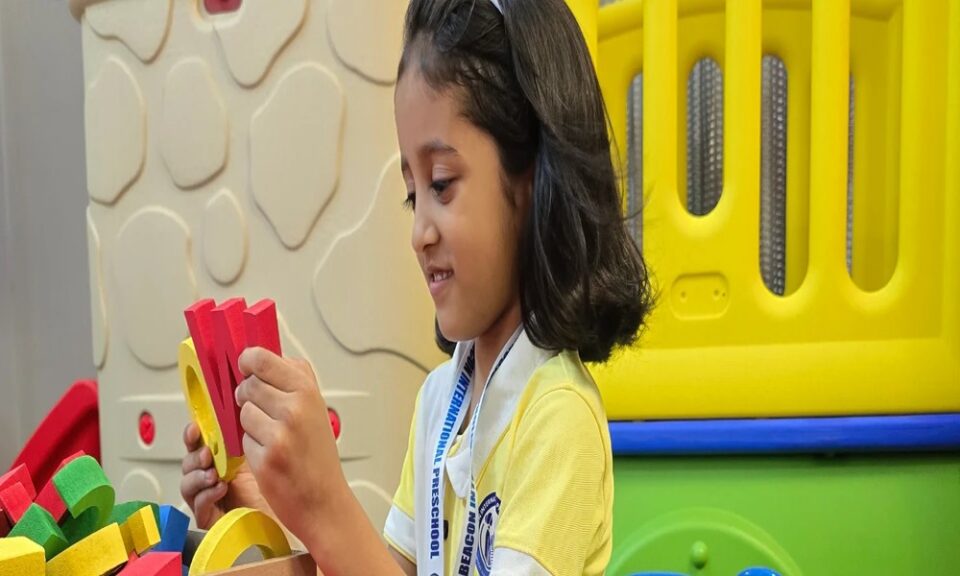
Starting a formal learning journey is a significant step for any young child. True preparedness involves far more than knowing letters or numbers. It is a holistic blend of social, emotional, and practical abilities that allows a youngster to thrive in a new environment.
The Montessori method views this transition as a natural progression. Its approach to fostering these essential competencies begins from a child’s first day. It builds a strong foundation progressively, through each stage of a pupil’s growth.
This philosophy sees genuine readiness as the outcome of a child-centred learning experience. It is not a last-minute curriculum imposed upon children. Instead, it cultivates confidence and a love for discovery that supports lifelong development.
Key Takeaways
- School readiness is a holistic concept, encompassing social, emotional, and practical abilities alongside academic knowledge.
- Preparation within the Montessori framework starts early and develops continuously.
- Multiple skill areas, including cognitive and physical competencies, are nurtured together.
- The child’s natural development and interests are central to the process.
- Readiness is seen as a positive outcome of engaging, self-directed learning.
- This article will explore the specific methods that support this comprehensive approach.
Introduction to Montessori and the Importance of School Readiness
A child’s ability to thrive in a structured setting stems from years of gradual, holistic development. Expert Zac Zachar notes that a smooth transition requires more than academic preparation. This preparation begins long before formal learning, with each step building on the last.
Overview of the Montessori Philosophy
This child-centred philosophy trusts in a youngster’s innate drive to explore and master their world. It emphasises respect for each individual’s unique pace of growth.
The core tenet is that children learn best through self-directed activity. They are provided with specially designed materials and a carefully prepared environment. This allows them to follow their interests and build competence naturally.
This approach aligns with structured frameworks like the Early Years Learning Framework (EYLF). It integrates developmental milestones with the freedom for personal discovery.
Key School Readiness Indicators for Early Years
Comprehensive preparedness is viewed through four interconnected areas. These competencies are nurtured simultaneously from the early years.
| Area of Development | Core Abilities Nurtured | How the Method Fosters Them |
|---|---|---|
| Academic | Following instructions, focusing on tasks, demonstrating curiosity. Pre-mathematics concepts like sorting and classifying. | Hands-on sensorial materials provide concrete experiences with grading and matching, building cognitive foundations. |
| Social | Taking turns, cooperating, developing friendships, managing emotions, accepting guidance. | Mixed-age groups and communal activities encourage peer learning, tolerance, and conflict resolution. |
| Emotional | Managing feelings, adapting to new situations, separating from caregivers with confidence. | Consistent routines and a predictable environment build security and self-assurance. |
| Physical | Gross motor skills (running, balancing); fine motor skills (pencil grip, scissor use). | Practical life activities and outdoor play develop coordination and control. |
True readiness is not a single moment of achievement. It is a developmental journey that unfolds over time. Different milestones are reached at different ages, based on each child’s individual pattern of growth.
School Readiness Skills in Montessori Education
A holistic approach to early development seamlessly weaves together cognitive, sensory, and practical growth. This method builds the core abilities youngsters need to thrive.
Academic, Cognitive and Sensory Components
Literacy foundations are laid through tactile experiences like sandpaper letters and rich storytelling. These activities ignite a love for language.
Sensorial materials introduce pre-mathematics concepts. Sorting, matching, and grading objects build a concrete foundation for later abstract thought.
Comprehensive booklets introduce primary school learning formats. They provide practice in language-based problem solving, literacy, and numeracy.
Practical Applications in Developing School Readiness Skills
Youngsters learn to select and respond to challenging tasks. Concurrently, they develop fine motor skills essential for writing through coordinated activities.
The child-directed approach cultivates strong work organisation. Pupils learn to focus, demonstrate problem-solving skills, and see a task through to completion.
This framework fosters internal motivation and respect for the classroom community. Confidence grows from mastering real, purposeful activities.
Nurturing Social and Emotional Development
Emotional intelligence and social competence are not merely taught but carefully nurtured through daily experiences. This approach focuses on building a child’s inner strength and ability to relate to others.
Cultivating Independence and Confidence
Youngsters develop autonomy by mastering practical tasks. Dressing themselves, eating without assistance, and managing personal hygiene foster a strong sense of capability.
These activities occur throughout the day, turning routine moments into opportunities for growth. Grace and courtesy presentations establish clear social guidelines. They teach respectful behaviour, turn-taking, and empathetic communication.
This framework helps children navigate peer interactions with confidence. When given appropriate challenges, they learn to work through problems independently.
Building Emotional Resilience through Structured Routines
Predictable routines provide emotional security. Participating in tasks like serving food or cleaning the classroom builds responsibility.
This structure allows children to manage small frustrations and adapt to changes. The environment encourages open expression of feelings and thoughts.
This psychological safety lets youngsters learn from mistakes and accept guidance. They develop the resilience needed for future transitions.
Practical Daily Routines and Structured Learning Approaches
The rhythm of a youngster’s day, from waking to bedtime, cultivates essential life competencies that extend far beyond academic learning. Consistent patterns provide security while building the autonomy needed for future settings.
Establishing Consistent Morning and Self-Help Routines
Predictable morning sequences reduce anxiety for everyone. Practising dressing, managing belongings, and the journey to a new environment builds familiarity.
At home, labelling items together helps youngsters recognise their name. Giving them responsibility for their hat, bag, and bottle fosters ownership. Gentle prompting, rather than doing tasks for them, supports true independence.
Integrating Play and Movement for Holistic Growth
Structured play is vital for development. Outdoor activities with natural materials and music sessions build physical coordination and cognitive connections.
Regular sleep patterns and screen-time limits after dinner aid focus. Arranging playdates with future classmates eases the social transition. This holistic approach prepares youngsters for the structure of primary school.
Benefits of a Prepared Environment and Hands-On Learning
Every aspect of the learning environment is purposefully designed to foster independence and curiosity. This prepared environment encourages each child to take an active role in their discovery.
Furniture and resources are arranged for easy access. Low shelves and clearly defined areas let youngsters choose their work freely.
Designing a Stimulating Learning Space
Mixed-age groupings, typically from three to six years old, create a natural community. Younger children observe and learn from older peers. Older pupils reinforce their understanding by guiding others, building leadership.
This layout supports a smooth transition to more formal settings. The whole classroom cultivates the practical and social skills required for future success.
Enhancing Engagement through Sensory Materials
Concrete, hands-on materials make abstract ideas tangible. Pupils manipulate objects to explore concepts at their own pace. This builds deep understanding and a strong sense of confidence.
Specific literacy tools, like sandpaper letters, prepare youngsters for reading and writing. Structured storytelling sessions further develop these abilities.
| Design Feature | Primary Purpose | Key Benefit for Children |
|---|---|---|
| Child-sized furniture & low shelves | Promote independence & access | Enables choice and self-directed activity |
| Mixed-age groupings (3-6 years) | Foster peer learning & community | Develops social skills and leadership |
| Organised sensorial materials | Provide concrete learning experiences | Builds cognitive foundations through exploration |
| Uninterrupted work periods | Support deep concentration | Enhances focus and task completion |
Through this intentional design, children learn to concentrate and follow their interests. The environment is a cornerstone of the approach, nurturing capable, engaged learners.
Integrating Montessori Methods for Individual Growth
A truly effective programme recognises that no two children learn or grow in exactly the same way. The core philosophy is built on observing and adapting to each pupil’s unique developmental timeline.
This creates individualised pathways that help children develop at their optimal pace. Educators provide appropriate challenges and support, ensuring every student meets key milestones.
Inspiration from Eilmar Montessori
The approach at Eilmar Montessori integrates this child-centred focus seamlessly. Their comprehensive programme begins the moment a child joins and builds skills progressively over years.
This systematic method prepares children thoroughly for future success. The framework at Eilmar Montessoriensures a natural progression from simple to complex tasks.
Insights from Eilmar
Consistency in attendance is a cornerstone highlighted by Eilmar. Attending three or more consecutive days per week allows youngsters to adjust smoothly to routines.
This regularity builds stronger independence and greater confidence in their environment. Eilmar notes that daily practice lets pupils revisit activities, reflect, and master new abilities.
| Age Focus | Key Activities | Developmental Goal |
|---|---|---|
| Ages 2-3 | Practical life exercises, sensorial exploration | Building coordination & sensory awareness |
| Ages 3-5 | Pre-literacy materials, introductory numeracy | Establishing foundational literacy & numeracy |
| Ages 5-6 (Primary Programme) | Advanced materials, peer leadership, deep work periods | Cultivating academic confidence & emotional maturity |
By the final Primary Programme year, everything often clicks. Pupils demonstrate a genuine love of learning, backed by years of consistent, tailored preparation.
Between the ages of two and six, this consistent participation is crucial. It develops the focus and problem-solving abilities that form a core foundation for the next stage.
Conclusion
Ultimately, the aim is to cultivate not just academic knowledge, but a resilient and curious learner ready for life’s next steps. This cultivation begins from a youngster’s first day and builds progressively through each stage.
The holistic foundation develops social, emotional, and cognitive competencies simultaneously. It is a partnership between home and the learning setting, where consistent routines foster true independence.
As a result, children approach the next milestone with strong confidence and internal motivation. They are prepared to thrive academically and socially in primary school and beyond. This early, comprehensive preparation builds a lasting love for discovery and the resilience to embrace new challenges with joy.
