
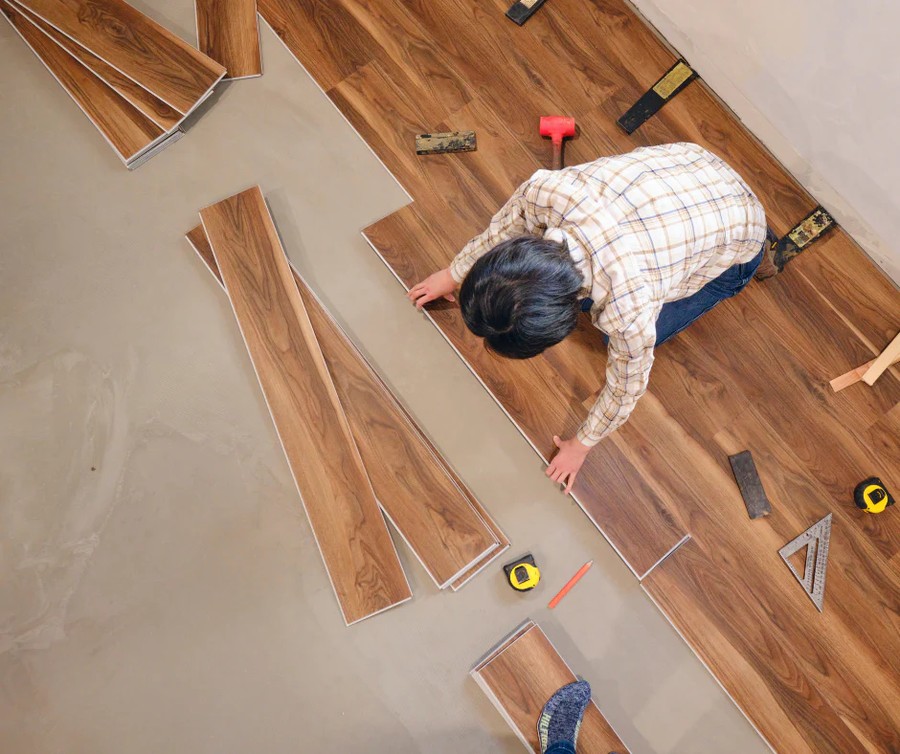
Oak flooring remains one of the most popular choices for renovation projects thanks to its natural warmth, durability and timeless appeal. However, choosing the right oak flooring isn’t always straightforward. Renovations often come with structural limitations, budget considerations and design constraints that can make the wrong flooring choice costly and difficult to reverse.
Understanding the most common mistakes homeowners and renovators make when selecting oak flooring can help ensure the finished space looks great and performs well for years to come.
Not Considering the Subfloor and Room Conditions
One of the most frequent oversights is failing to assess the subfloor and environment before choosing flooring. Solid oak and engineered oak behave differently depending on moisture levels and temperature changes.
Older properties, ground floor rooms, or spaces with fluctuating humidity may not be suitable for solid oak boards. Without accounting for these factors, issues such as movement, gaps, or cupping can occur over time.
Choosing the Wrong Board Thickness or Width
Oak flooring comes in a wide range of thicknesses and plank widths, and aesthetics aren’t the only consideration. Thicker boards often provide greater longevity and can be sanded multiple times, but they may not be suitable for all floor heights or door clearances.
Very wide boards can look striking, but they are more sensitive to movement in less stable environments. Matching board dimensions to the practical realities of the renovation is just as important as visual preference.
Prioritising Appearance Over Practical Use
It’s easy to focus on colour, grain and finish, especially when browsing inspiration images. However, different finishes suit different lifestyles.
Highly polished or very light oak floors can show scratches, dust and wear more easily in busy households. Renovation projects should take into account foot traffic, pets and long term maintenance requirements, not just the initial look.
Overlooking Installation Requirements
Another common mistake is underestimating how oak flooring will be installed. Some boards are designed for secret nailing, others for floating or adhesive fixing.
Choosing flooring without understanding installation methods can lead to higher labour costs or unsuitable fitting on existing subfloors. This is especially relevant in renovation projects where uneven surfaces or limited access may complicate installation.
Ignoring Future Maintenance and Repairs
Oak flooring is durable, but it is not maintenance free. Failing to consider long term care can result in disappointment later on.
Some finishes allow for easy spot repairs, while others require full sanding and refinishing. Renovators should also think about how easy it will be to replace damaged boards if needed, particularly in high use areas such as kitchens or hallways.
Mismatching Flooring with the Overall Renovation Style
Oak flooring should complement the wider renovation rather than dominate it. A rustic, heavily textured oak may clash with a sleek modern interior, while very smooth contemporary boards might feel out of place in a period property.
Selecting flooring that aligns with architectural features, existing joinery and overall design intent helps create a cohesive finished space.
Frequently Asked Questions
Is solid oak flooring always better than engineered oak for renovations?
Not necessarily. Engineered oak is often better suited to renovation projects due to its stability and compatibility with underfloor heating and varied subfloors.
Can oak flooring be used with underfloor heating?
Yes, but the correct type must be chosen. Engineered oak is typically recommended, and installation guidelines must be followed carefully.
How much extra flooring should be ordered for a renovation?
It’s generally advised to allow an additional 5–10% for cuts and waste, depending on room shape and layout.
Does oak flooring need time to acclimatise before installation?
Yes. Allowing the boards to acclimatise in the room helps reduce movement after installation and improves long term performance.
Final Thoughts
Choosing oak flooring for a renovation project involves more than selecting a colour or finish. By understanding common mistakes and planning around the realities of the space, renovators can achieve a floor that looks good, performs reliably and adds long-term value. Taking time to explore suitable, high quality oak flooring options and understanding how they fit into the wider project can make all the difference to the final result.
