
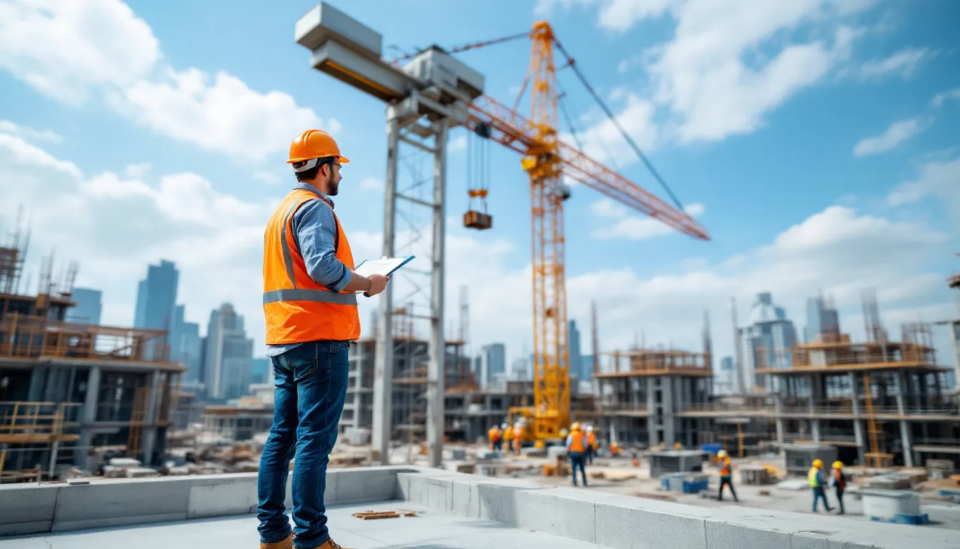
The Dynamic Duo: Understanding the Fusion of Residential and Commercial Spaces
The Evolution: How Mixed-Use Developments are Shaping Urban Life
The concept of mixed-use development is not simply a modern trend; it represents a long-standing evolution in urban planning and architecture that stretches back centuries. Historically, communities prospered when living spaces and places of business coexisted side by side, creating natural opportunities for social connection and economic exchange. Today, this principle continues to influence both residential and commercial construction, as planners and developers respond to growing demands for sustainability, efficiency, and livability. In modern cities, the renewed focus on mixed-use projects is driven by several urgent priorities: promoting environmentally responsible lifestyles, curbing urban sprawl, and strengthening local economies. By thoughtfully integrating residential, commercial, and at times even light industrial components within a single development, these projects foster lively, walkable environments that encourage biking and the use of public transportation. As a result, urban life becomes more connected, convenient, and dynamic.
For example, the revitalization of downtown districts in many cities illustrates how mixed-use strategies can transform underutilized buildings into energetic community centers. Former warehouses or office spaces are reimagined as vibrant properties featuring apartments above lively cafés, boutiques, and professional offices. This blending of functions not only restores the buildings themselves but also stimulates growth in the surrounding neighborhoods, attracting a broad demographic that includes young professionals, families, and retirees. By shortening commute times, supporting small businesses, and strengthening neighborhood ties, mixed-use developments play a pivotal role in economic renewal. As urban populations continue to grow, integrating these approaches into residential and commercial construction will remain central to sustainable city planning and future development.
Sustainability in Dual-purpose Construction: Merging Eco-friendly with Profitable
In an era where environmental consciousness shapes consumer behavior and corporate responsibility, the construction industry is no exception to the call for sustainability. Combining residential and commercial spaces presents a unique opportunity to design buildings that not only meet the needs of their occupants but also adhere to eco-friendly practices and principles. Sustainable dual-purpose construction involves thoughtful design choices that prioritize energy efficiency, use of renewable materials, water conservation, and a reduced carbon footprint all while maintaining profitability for developers and investors.
In recent years, there has been a significant rise in the incorporation of green technologies and practices in mixed-use developments. This includes features such as green roofs that provide insulation and support biodiversity, solar panels that harness renewable energy, and smart building systems that optimize energy consumption based on real-time data. These innovations not only help reduce operational costs over the life cycle of the building but also enhance the attractiveness of the property in a market increasingly favoring sustainable living options. Moreover, certifications such as LEED (Leadership in Energy and Environmental Design) have gained traction, providing guidelines and benchmarks that developers can aim for, potentially leading to increased market value and tenant satisfaction.
Navigating the Regulatory Maze: Codes, Permits, and Compliance
Building Blocks of Law: Key Regulations Impacting Construction Projects
Every construction project, especially those that combine residential and commercial elements, must navigate a complex landscape of regulations and codes. These legal frameworks are primarily designed to ensure the safety of occupants, sustainability of construction practices, and compatibility with existing urban infrastructure. The International Building Code (IBC), local zoning laws, and fire safety regulations are just a few examples of the myriad guidelines that dictate how projects must be executed. Understanding this regulatory maze is crucial for developers and architects alike, as failure to comply can result in costly delays, fines, or even legal action.
Furthermore, zoning laws can heavily influence project design and functionality. For instance, areas designated for residential use may impose restrictions on building height or commercial activity, impacting what a mixed-use development can encompass. As cities evolve, many local governments are revisiting and relaxing these zoning regulations to encourage mixed-use developments that align with modern urban planning philosophies. This shift can provide greater flexibility for builders and developers, enabling them to craft spaces that truly meet community needs while adhering to the broader regulations mandated for health and safety.
Permitting Processes Demystified: Your Roadmap to Success
The permitting process often serves as a gateway to executing construction projects, especially ones that require a multifaceted approach combining both residential and commercial elements. The steps involved can vary widely depending on the location and complexity of the project, but understanding the typical pathway can streamline the journey from conception to completion. Generally, the first step involves submitting detailed plans that outline your intended use of the space, making it essential to work with experienced architects and engineers who can create blueprints that not only reflect the intended design but also comply with local regulations.
After plans are submitted, they undergo scrutiny by a myriad of agencies. This may include environmental assessments, architectural review boards, and community hearings that allow local stakeholders to voice their opinions. Engaging with the community early can pave the way for smoother approvals and foster goodwill; particular attention should be paid to how the project will impact traffic, environment, and neighborhood dynamics. Finally, once all necessary permits are obtained, ongoing inspections are typically required throughout the construction process to ensure continued compliance with regulations, thus ensuring safety and commitment to legal standards.
Designing for Dual Functionality: Embracing Versatility in Architecture
Innovative Design Trends: Blending Aesthetics for Commercial and Residential Appeal
As the lines between residential and commercial spaces blur, designers are embracing innovative trends that enhance functionality while maintaining visual appeal. Open floor plans, adaptable spaces, and multifunctional areas are pivotal concepts in mixed-use developments that cater to the evolving demands of modern living. For instance, consider designs that incorporate flex spaces which can be adjusted by configuring movable walls or furniture, allowing tenants to repurpose areas based on their current needs, whether for work, leisure, or social gatherings.
Moreover, the aesthetic choices made in dual-purpose buildings are increasingly focused on creating inviting environments that promote community interaction. Incorporating elements such as large windows, outdoor public areas, and communal gardens encourages a sense of belonging among residents and visitors alike. Sustainable materials play a central role in this dialogue; buildings made from locally sourced wood, brick, and recycled materials not only present a modern aesthetic but also tell a story of connection to the surrounding environment. As such, designers are tasked with creating spaces that engage the senses while also addressing the pragmatic needs of functionality ultimately reflecting the holistic philosophy foundational to mixed-use developments.
Case Studies: Successful Projects that Exemplify Harmonious Integration
Examining real-world projects that exemplify the successful integration of residential and commercial spaces can provide invaluable insights and inspiration for future developments. One prime example is the Chelsea Market in New York City, a former Nabisco factory that has been transformed into a vibrant marketplace featuring shops, restaurants, and offices while also maintaining a sense of community fabric amidst the bustling urban environment. Its design embraces historic elements while integrating modern amenities, demonstrating that blending old and new can foster an inviting atmosphere that attracts diverse demographics.
Another notable case is The High Line, an elevated linear park created from an old railway track that intersects one of New York City’s most densely populated neighborhoods, adding green space while also revitalizing the area surrounding it with commercial and residential spaces. This project showcases how public infrastructure can be reimagined to create multifunctional community areas that serve as conduits for social interaction and commerce, celebrating the power of innovative design in urban planning. These examples highlight the potential successes of mixed-use developments, ultimately encouraging architects and urban planners to envision how to maximize available spaces while enhancing community cohesion.
The Future of Construction: Trends Shaping Residential and Commercial Integration
Smart Buildings: How Technology is Revolutionizing the Landscape
The advent of technology has ushered in a new era for construction, with smart buildings becoming increasingly prevalent in the landscape of mixed-use developments. These structures are equipped with advanced systems such as IoT (Internet of Things) devices, AI algorithms, and automated control systems that optimize everything from energy consumption to security measures. Smart buildings facilitate enhanced operational efficiencies, providing real-time data that helps property owners and managers make informed decisions about maintaining and utilizing their spaces. In mixed-use developments, this can mean seamless integration between residential and commercial utilities, enhancing the overall experience for occupants.
Consider how smart technology can optimize resource use in buildings that house both residential and commercial units, such as shared energy management systems that decrease heat losses and improve efficiency across different tenants. Furthermore, with the growing emphasis on sustainable living, integrating technology that monitors and minimizes environmental impact has become crucial. For example, smart sensors can be employed to manage water usage, automatically adjust lighting based on occupancy, and regulate indoor air quality. This “smart” approach not only reduces costs but also enhances tenant satisfaction and confidence that mixed-use developments can adapt to the demands of modern living.
Community-Centric Developments: Designing for Social Interaction and Engagement
The future of construction within the realm of mixed-use developments increasingly pivots toward community-centric designs that prioritize social interactions and engagement among residents and commercial tenants. Trends suggest that contemporary developers are focusing on creating environments that foster connectivity through shared spaces, whether that’s communal gardens, rooftops, or open plazas. These areas serve not only as aesthetic enhancements but also as critical venues for community events, outdoor markets, and social gatherings that can significantly enrich the lives of those who inhabit them.
By designing developments that encourage collaboration and interaction, property owners can address the needs of a diverse range of tenants, from young professionals seeking connection to families desiring a sense of community. This approach reflects a fundamental shift in how urban areas are perceived not merely as places where individuals reside or work, but as interconnected ecosystems poised for engagement and collaboration. The future of mixed-use developments, therefore, lies in embracing these social dynamics, creating spaces where people feel connected and invested in their surroundings.
