
Walk into any flea market, and you’ll find them: dressers with sticky drawers, chairs with wobbly legs, sideboards that smell faintly of someone else’s attic. Most people walk past. The right person sees a project. Here at Vintage Room, we’ve come to believe that restoring old furniture isn’t just a money-saving hobby; it’s one of the few ways left to bring real character into a home that mass-produced pieces simply can’t replicate.
The trick is knowing where to stop. Strip too much and you erase the patina that makes a piece worth saving in the first place. Ignore too much, and the thing falls apart in five years. Good restoration lives in that narrow space between preservation and repair.
Start With Structure, Not Style
Before you think about stain color or upholstery fabric, check whether the piece can actually hold weight. Loose joints are the most common issue in furniture that’s fifty, seventy, or a hundred years old. Wood glue dries out. Screws strip. What was once a tight mortise-and-tenon joint becomes a wobble you can feel just by leaning on the piece.
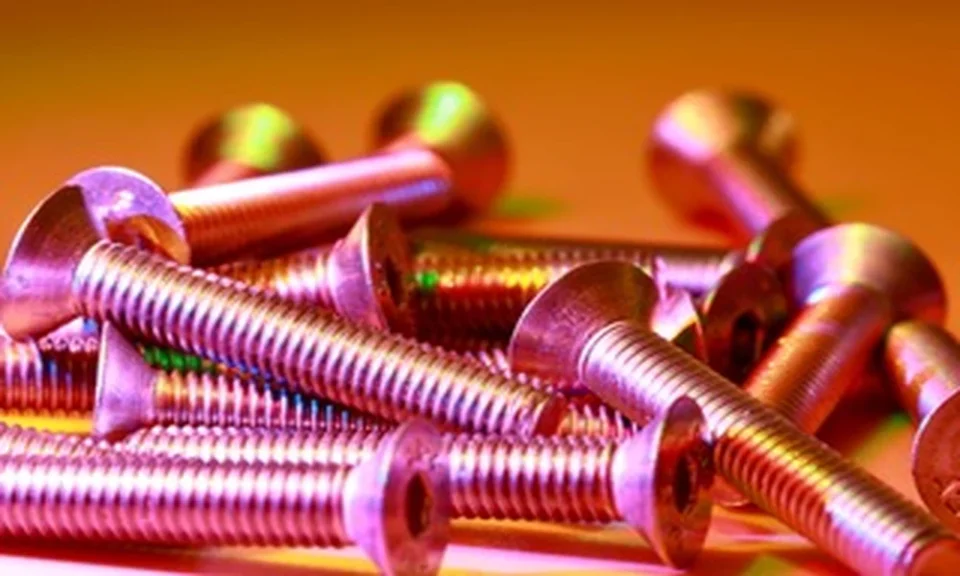
This is where a lot of DIY restorers go wrong. They reach for whatever screws are sitting in the garage, usually the wrong length, the wrong thread pitch, or made from a metal that reacts badly with old hardwood. If you’re serious about doing this right, it’s worth sourcing from a proper fasteners supplier rather than grabbing a random handful from a hardware store bin. The difference shows up years later, not on day one.
Matching Hardware to the Era
Vintage pieces often used hardware styles that aren’t common anymore, slotted screws instead of Phillips head, square nuts, and hand-forged brackets. You don’t have to match every detail exactly, but getting close matters for two reasons. First, it keeps the piece looking authentic once it’s reassembled. Second, mismatched modern hardware can actually stress older wood in ways it wasn’t built to handle, since spacing and thread patterns have shifted over the decades.
Repair Before You Refinish
Once the joints are solid, move on to surface repair: filling small cracks, addressing water rings, dealing with veneer that’s lifting at the edges. Resist the urge to sand everything down to bare wood. A lot of the value, both visual and monetary, sits in that original surface.
For anyone wanting a deeper technical grounding in wood movement, joinery tolerances, and why certain repairs fail over time, Fine Homebuilding publishes some of the most thorough breakdowns available for serious hobbyists and professionals alike.
When to Call It Done
There’s a temptation to keep going, one more coat, one more adjustment. But over-restoring a piece can strip it of the very imperfections that made it interesting. A slightly uneven drawer front or a faded patch on an armrest tells a story. Sometimes the best move is to stabilize the piece structurally and leave the rest alone.
That balance, between fixing what’s broken and respecting what’s already there, is really the heart of what we talk about on Vintage Room. Furniture restoration isn’t about making something look new. It’s about making it last another fifty years while still looking like it’s lived a life. Get the structural basics right, choose your hardware carefully, and the rest tends to follow.
