
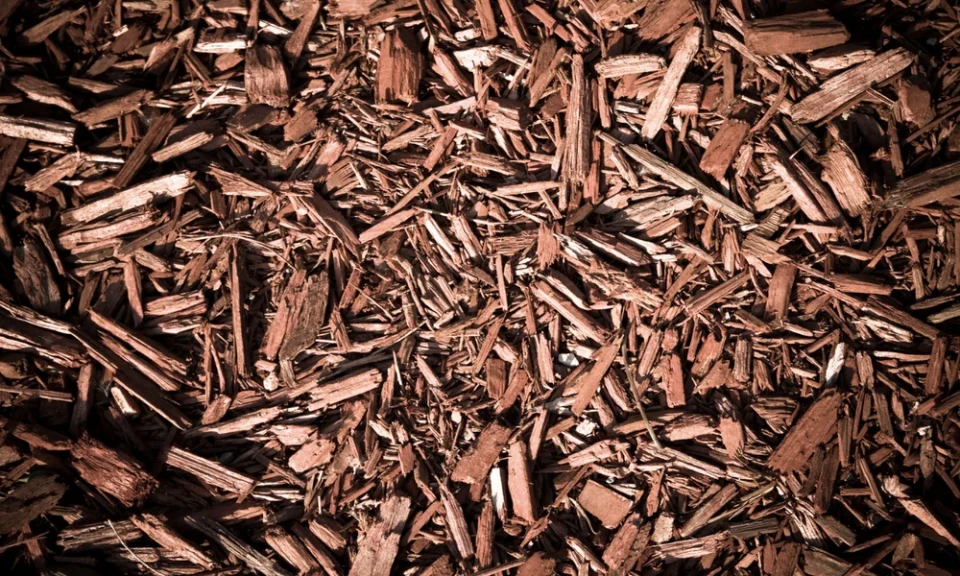
Many Central Florida landscapes use mulch beds that run right up against the stucco, leaving little or no strip of bare soil in between. It’s a common landscaping choice, but it also removes one of the easiest visual checks for termite activity before it reaches the wood framing. Providers of Florida termite control plan around this detail because that narrow strip of exposed soil makes termite mud tubes much easier to spot during inspections.
Mulch Doesn’t Attract Termites from Across the Yard
Studies on termite behavior have found no evidence that moist mulch attracts termite foragers from the surrounding landscape. Instead, termites already moving through the soil are more likely to stay and keep feeding when they reach a spot with moisture and shelter. A mulch bed against the foundation doesn’t bring termites to the property, but it can give termites already in the area a place with the moisture and cover they prefer.
A University of Maryland field study found termites beneath a wide range of ground covers, including eucalyptus, hardwood, pine bark, pea gravel, and even bare soil. Activity under gravel was higher than under some of the organic mulches. Changing from one mulch to another doesn’t change much if the area stays damp. It’s the moisture around the foundation, not the type of mulch, that creates favorable conditions for termites.
What Mulch Against the Foundation Changes
A mulch bed pushed up against a wall creates several conditions that can make termite activity harder to spot:
- Moisture stays trapped at the soil surface. Mulch shades the soil and slows evaporation, so the ground stays damp longer after rain or irrigation than nearby bare soil.
- Mud tubes disappear from view. Termites build these tubes to travel between soil and wood while staying out of open air. A mulch bed piled against the foundation hides that stretch of foundation where mud tubes are easiest to spot.
- Wood-to-soil contact becomes easy to create by accident. When mulch is piled too high, it can cover the gap between the soil and the siding or trim, making it easier for termites to reach the structure without leaving exposed mud tubes.
Why the 12-Inch Buffer Matters More Than the Mulch
University of Florida Extension recommends keeping about twelve inches of the foundation perimeter free of mulch. Building codes also call for clearance between siding and nearby landscaping so mud tubes remain visible during inspections.
That doesn’t mean leaving a bare strip of dirt. Decorative gravel, a mowed edge, or mulch pulled back from the foundation can preserve the inspection gap while maintaining the look of the landscape.
As part of its inspections, Avata checks the clearance between mulch beds and the foundation. In Central Florida, mulch often creeps closer to the house after years of being topped up, so a gap that was there a few years ago can gradually disappear without anyone noticing.
What to Look for If Mulch Already Reaches the Foundation
If mulch already reaches the foundation, a few quick checks can reveal whether it’s creating conditions that deserve a closer look:
- Pull the mulch back a few inches and check the exposed foundation for pencil-thin mud tubes climbing from the soil.
- See whether the mulch is touching siding, trim, or stucco instead of stopping below the foundation line or weep screed.
- Watch how water drains after rain or irrigation. If it collects or the soil stays damp against the foundation, the area can remain moist longer than intended.
- Notice whether fresh mulch has gradually built up over the years, reducing the exposed strip that makes routine inspections easier.
Termites were never waiting on a mulch delivery to find a Central Florida home. Leaving about a foot of exposed foundation makes mud tubes easier to spot and gives inspectors a clearer view of the part of the foundation where termite mud tubes are most likely to appear.
