
Winter in Indianapolis has a way of making pest problems feel like a distant concern. Everything is cold, and most insects are nowhere in sight. But this quiet can end fast as temperatures climb in spring and early summer. Pests that spent winter in dormancy, deep in the soil, or tucked inside wall voids suddenly become active. Unfortunately, many of them have your home on their radar.
Marion County and the surrounding Indianapolis metro area are in a climate zone that supports a wide range of pest species. Warm, humid summers combined with the region’s older housing stock can create conditions where infestations can take hold quickly if homeowners do not pay attention and work with Pointe Pest Indianapolis. Here are six types of pests that commonly move into Indianapolis homes as the weather warms:
1. Ants
The most common home-invading ant species in Indianapolis include pavement ants, odorous house ants, and carpenter ants. Pavement ants push up through foundation cracks and sidewalk joints. Odorous house ants swarm into kitchens in pursuit of sweet and greasy food sources. Carpenter ants excavate wood to build their nests, preferring wood that moisture has already softened.
The structure of ant colonies makes them hard to eliminate. The workers you see represent a fraction of the total population. Treatment that only addresses visible foragers may not solve the problem at its source.
2. Mosquitoes
Mosquito season in Indianapolis typically kicks off in May and peaks through July and August. Standing water is the primary driver of local mosquito populations. It can accumulate in the following:
- Clogged gutters hold water for days after rain. This can create a productive breeding environment just above your roofline and out of easy sight.
- Low spots in the yard. Water pools after storms can support mosquito larvae within a week of accumulation.
- Neglected birdbaths, flowerpot saucers, and tarps. These are easy to overlook during routine yard maintenance.
3. Termites
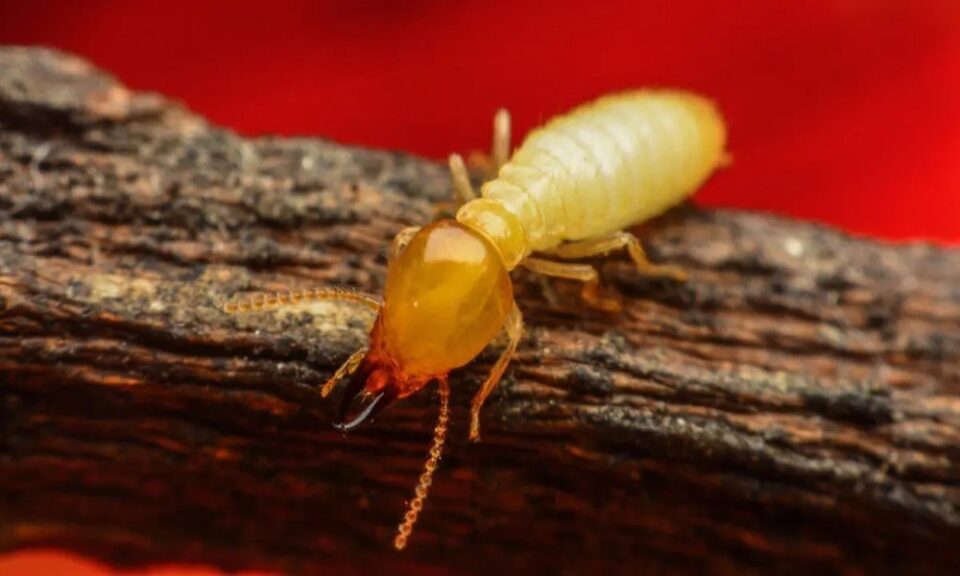
Subterranean termites are a year-round threat in Indiana, but colonies become most visible in spring. Termite swarmers emerge in warm weather to establish new colonies.
Older construction in Indianapolis is prone to infestations. It often has wood closer to soil contact, less comprehensive moisture barriers, and more opportunities for termite entry. A mature termite colony causes structural damage continuously.
4. Cockroaches
Warm temperatures accelerate cockroach reproduction. The German cockroach is the most common indoor species. Cockroaches shed skin and produce waste that becomes airborne and can trigger asthma and allergy symptoms.
5. Stinging Insects
Wasps, yellow jackets, and hornets follow the same seasonal pattern. Queen insects emerge in spring, begin nest construction, and build colonies through summer. These colonies reach peak size and territorial aggression by late July and August. Nests may appear in locations that create direct conflict with homeowners and their families. These include inside wall voids and soffits, underground in abandoned rodent burrows, and under deck boards.
6. Spiders
Spider populations rise in spring and summer because of abundant food sources. Most spider species common to Indianapolis are harmless, but the brown recluse and the black widow warrant caution.
Brown recluse spiders are well-established in Indiana and can be found in undisturbed indoor spaces. Their bites can cause tissue damage and require medical attention.
Encounters with spiders can increase as temperatures rise and homeowners open windows, move outdoor furniture, and disturb storage areas that sat untouched through winter. Below are steps that homeowners can take to keep spiders at bay:
- Seal gaps around windows, doors, and utility penetrations. This can reduce the insect traffic that draws spiders inside in the first place.
- Reduce outdoor lighting near entry points. Lights attract insects at night. Spiders follow where insects gather.
- Declutter storage areas in basements and garages. This eliminates the undisturbed harborage zones where brown recluse spiders prefer to establish themselves.
