
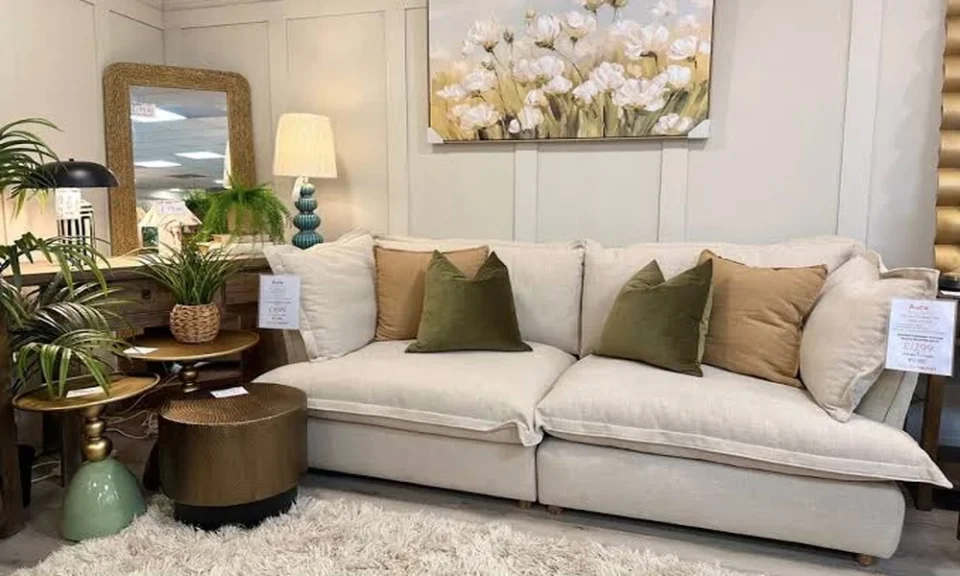
The landscape of modern design is shifting rapidly, with a strong focus on health and environmental responsibility. Designers are now creating pieces that not only enhance the aesthetic of living spaces but also promote well-being. This transformation is evident as architects, such as those at BMA, highlight the importance of restorative environments in residential areas.
Gone are the days when recycling was the sole approach. Today, innovative materials like pineapple leather and seaweed fabric are emerging, allowing for furniture that is both durable and kind to the planet. This shift signifies a move towards high-quality items that do not compromise on performance.
As we delve into the current design landscape, it becomes clear that homeowners are increasingly prioritising comfort and sustainability. They seek furnishings that contribute positively to their homes while reducing their carbon footprint. This evolving mindset marks a significant change in how we view our living spaces.
Key Takeaways
- Designers are focusing on health and environmental responsibility in their creations.
- Innovative materials are being used to enhance furniture quality and longevity.
- Homeowners are prioritising comfort while being mindful of their carbon footprint.
- Restorative environments are becoming essential in modern residential design.
- The shift towards quality over sacrifice is redefining consumer expectations.
Sustainable and Eco-Friendly Furniture Trends 2026: In-Depth Analysis
Modern design is undergoing a transformation, prioritising health and environmental considerations. The furniture industry is facing an urgent need to address its significant waste output. The Ellen MacArthur Foundation estimates that over 80% of waste is generated before products even reach consumers.
As homeowners become more conscious of their living environments, they seek furniture that enhances indoor air quality. Todd Harmon from Aura Modern Home reports a notable rise in demand for pieces that actively improve air conditions.
Historical data indicates that mass-produced items often last only 5 to 15 years, contributing to environmental impact. Moving forward, bespoke production models are gaining traction, as homeowners reject the waste associated with bulk manufacturing.
By focusing on high-quality materials and intentional design, the industry aims to reduce the carbon footprint of every room. Designers are now tasked with creating pieces that serve as integral components of home energy systems.
Emerging Trends and Material Innovations in Eco-Friendly Furniture
The evolution of design now prioritises the intersection of health and environmental consciousness. This shift is driving the use of innovative materials that enhance both aesthetics and functionality in homes.
Leading designers are actively replacing traditional materials with alternatives that are both visually appealing and beneficial for air quality. For instance, Todd Harmon is using seaweed fabric and pineapple leather for upholstery, creating a natural feel while reducing reliance on synthetic options.
Moreover, Kasandra Rafter from Canyon Creative Studio highlights the growing trend of using recycled components in lighting. This approach not only elevates the design but also minimises waste, contributing to a more responsible production cycle.
| Material | Usage | Benefits |
|---|---|---|
| Seaweed Fabric | Upholstery | Natural feel, reduces synthetic waste |
| Pineapple Leather | Upholstery | Durable, biodegradable |
| Recycled Components | Lighting | Minimises waste, unique designs |
| Hemp-based Wood Substitutes | Furniture | Eco-friendly, un-manufactured look |
As the demand for quality and comfort grows, designers are embracing biophilic strategies. These methods create a harmonious connection between indoor spaces and nature, enhancing overall well-being.
Innovative Distribution: Next Day Furniture Solutions
The dynamics of furniture distribution are evolving, reflecting a commitment to reducing environmental impact. Efficient logistics are crucial for the industry, especially as Next Day Furniture services adapt to meet these demands.
By producing furniture closer to the end client, manufacturers can significantly reduce transportation emissions associated with global supply chains. This approach not only enhances delivery speed but also supports local economies.
Bespoke workshops align with low-waste principles by crafting items only when commissioned. This ensures that nothing is produced speculatively, avoiding unsold surplus and contributing to a more responsible production cycle.
- Local production reduces transportation emissions, minimising the carbon footprint.
- Smart logistics enhance transparency and quality control throughout the production process.
- Reducing long-haul shipping is a key strategy for lowering environmental impact.
- Intentional measurement and cutting of materials lead to significantly lower production waste.
- This streamlined distribution supports a more responsible furniture industry in the UK.
Smart Sustainability: Technology’s Role in Eco-Friendly Interiors
In 2026, the integration of advanced technology into design is transforming the way we perceive comfort and efficiency in our living spaces. Designers are now incorporating smart systems that enhance both functionality and aesthetics.
Lesley Myrick notes that smart technology is becoming increasingly invisible, with advanced lighting and efficient appliances appearing seamlessly in modern projects. This trend allows homeowners to enjoy a sophisticated living environment without the clutter of visible tech.
Todd Harmon is pioneering experimental furniture, such as nightstands featuring solar transparent surfaces. These innovative pieces help manage the energy systems within homes, contributing to improved energy efficiency.
Additionally, Kasandra Rafter highlights the rising demand for integrated rainwater collection systems. Clients are looking for solutions that feel intentional and luxurious, enhancing their living spaces while promoting responsible resource use.
- Smart furniture optimises energy usage, helping environmentally conscious consumers reduce their carbon footprint.
- The availability of Furniture Next Day options ensures these high-tech pieces can be quickly integrated into homes.
- Blockchain technology and QR codes are being utilised to trace the origin of materials, ensuring ethical production standards.
- These advancements create a comfortable and efficient interior environment without compromising aesthetic quality.
The Bespoke Movement: Repairability and Longevity in Design
The bespoke movement is gaining momentum, emphasising longevity and repairability in modern interiors. Homeowners are increasingly prioritising quality over quantity. They seek pieces that can endure the test of time and adapt to their evolving needs.
Kathy Kuo, founder of Kathy Kuo Home, highlights the importance of heirloom quality. She notes that items like hand-knotted rugs and upholstered furniture with eight-way hand-tied suspension can last for decades. This craftsmanship is a significant factor in consumer choices today.
Solid hardwood furniture is another prime example. When properly maintained, it can last between 50 and 80 years. This durability makes it a superior choice for those looking to invest in long-lasting items.
IncorporatingFurniture Next Day services allows clients to receive high-quality, repairable pieces. Professional refinishing can restore worn surfaces to their original condition. This service is cost-effective and extends the life of cherished items.
Ultimately, longevity is a powerful argument for responsible consumption. A single well-made piece can replace four to six mass-produced alternatives over its lifetime. This shift in consumer behaviour reflects a desire for better craftsmanship and sustainable living.
| Aspect | Details |
|---|---|
| Heirloom Quality | Pieces last decades with proper care |
| Wood Durability | Solid hardwood can last 50-80 years |
| Refinishing | Restores items to original condition |
| Investment Value | One piece replaces multiple mass-produced items |
Consumer Insights and Market Impact in the UK
A notable shift in consumer behaviour is reshaping the landscape of home design. In the UK, buyers are increasingly prioritising ethical consumption. They prefer brands that provide transparency about their environmental impact.
Vektaya has seen significant interest in their modular sectional sofas and LED mirror vanity desks. These pieces combine contemporary style with sustainable craftsmanship, appealing to modern homeowners.
The influence of customisable, long-lasting pieces is growing. Homeowners recognise that investing in quality reduces the need for frequent replacements. Access to Next Day Furniture options ensures that responsible choices can be made without sacrificing convenience.
- Market data suggests a move away from heavily lacquered surfaces toward pieces showcasing the natural character of wood.
- The demand for multifunctional furniture reflects a broader shift toward conscious consumption.
- Choosing manufacturers with take-back programs helps prevent furniture from contributing to landfill waste.
Conclusion
The current focus in design is on enhancing personal comfort while being mindful of ecological impacts. The furniture trends of 2026 show that living spaces should support well-being alongside the health of the planet.
By choosing quality materials and emphasising craftsmanship, homeowners can create beautiful interiors that last. Investing in well-constructed, repairable pieces is a practical approach to reducing waste and supporting a responsible industry.
With options ranging from modular designs to smart technology, there are more choices than ever for conscious living. A single, well-chosen piece can significantly reduce one’s carbon footprint and overall environmental impact.
As we move forward, the convergence of luxury and responsibility will continue to shape the most desirable homes in the United Kingdom.
