
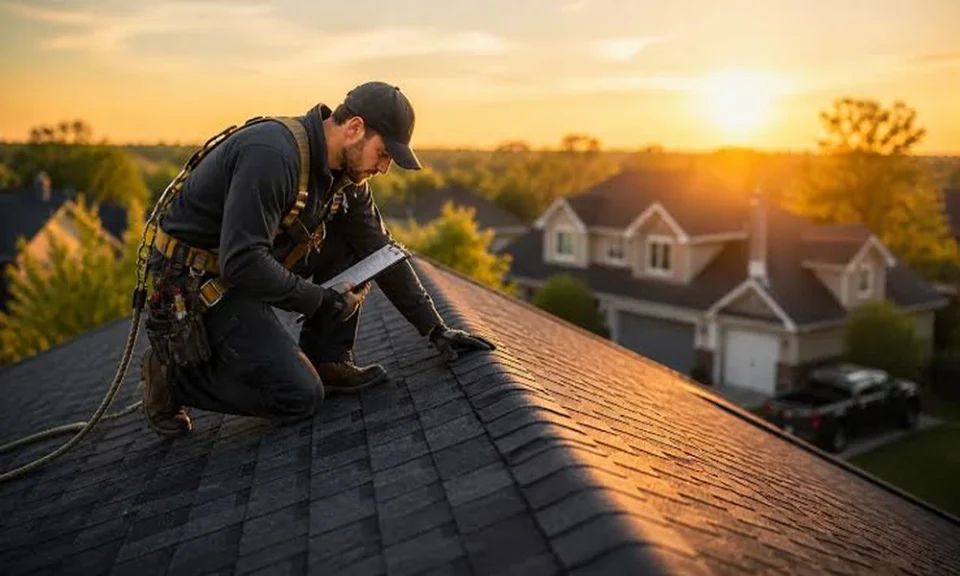
The standard advice for hiring a roofer is to obtain three quotations and choose the middle one. That approach assumes the three are pricing the same job, which they seldom are. One has allowed for scaffolding and new flashings, another for a quick patch from a ladder. Choosing roof contractors well depends on understanding what each proposes to do and why, and on checking a handful of things that reveal how a firm actually operates on site.
Verify Registration and Insurance
Start with the basics. The firm should be a properly registered business with a verifiable address and trading history. For larger or public-sector work, registration with the building authority in the relevant workhead indicates a certain scale and track record. Ask for evidence of public liability insurance and work injury compensation cover for its workers. Roofing is hazardous, and an owner who engages an uninsured contractor may find that an accident on the property becomes the owner’s problem.
Judge the Inspection
The way a contractor inspects the roof says much about the work to follow. A reliable one gets onto the roof where it is safe, or uses a drone or camera pole, looks inside the roof space, and traces the leak to its source. Photographs of the defects should accompany the quotation. Be wary of anyone who diagnoses from the pavement, recommends full replacement without explanation, or cannot say why the roof is leaking in the first place.
Insist on a Written Scope
A good quotation describes the work in enough detail that a third party could check it: the areas to be treated, the materials and brands, the method, what happens to flashings and gutters, how access will be provided and how waste will be removed. It states exclusions plainly. Vague wording such as “repair roof leak” leaves everything open to dispute. Comparing detailed scopes side by side is the only meaningful way to compare prices.
Ask About Solar Readiness
Many owners now expect their roof to carry solar panels at some stage, and this affects decisions made today. A contractor who also understands what it takes to install solar panel singapore can advise on whether the structure and covering will suit an array, where mounting points should go, and whether it makes sense to renew an ageing roof beforehand. Even if panels are years away, choosing materials and details with them in mind avoids having to redo work later.
Look at Safety Practice
Work at height is tightly regulated, and for good reason. Ask how the crew will gain access and how they will be protected from falls: scaffolding, edge protection, anchor points and harnesses as appropriate. Enquire whether supervisors and workers hold the required safety training. A firm that takes shortcuts with its own workers’ lives is unlikely to be meticulous about flashing details. Safe access also produces better work, because nobody can do a careful job while balancing.
Check Materials and Warranties
Find out exactly what is being installed. Tiles, sheets, membranes, sealants and fixings vary widely in quality, and the difference is invisible once the job is finished. Manufacturer-backed products applied by approved installers usually carry stronger warranties. Read the warranty terms: how long it lasts, whether it covers workmanship as well as materials, and what would void it. Be cautious of a long warranty from a company with a very short trading history.
Speak to Past Clients
References are easy to request and too rarely followed up. Ask for recent jobs similar to yours, and contact the owners. Useful questions include whether the work started and finished when promised, whether the price changed, how the site was left, and above all how the contractor responded when something went wrong afterwards. Every firm has the occasional call-back. What distinguishes the dependable ones is that they return promptly and resolve it without argument.
Agree Sensible Payment Terms
Payment should follow progress. A modest deposit to secure materials is normal, with further payments tied to defined stages and a final sum held until the work has been inspected, ideally after rain. Requests for most of the price in advance, or for cash only, are warning signs. Make sure variations are priced and approved in writing before they are carried out, so the final invoice contains nothing unexpected.
Start With a Smaller Job
Where there is no urgency, a limited piece of work is a useful trial before committing to a major contract. Engaging a firm for a modest roof repair, such as replacing damaged tiles or resealing a flashing, shows how it communicates, whether it turns up as agreed, how tidy it is and whether the fix holds through the next storm. Performance on a small job is a fair predictor of conduct on a large one.
Making the Decision
Eliminate any firm that cannot show insurance, will not inspect properly or will not put the scope in writing. Among the rest, compare like with like, weighing the diagnosis, materials, safety provisions and warranty alongside the price. Follow up references, and favour the contractor who explained the problem most clearly. Agree staged payments and keep all documents. A roof repaired by a careful firm should need little more than routine inspection for many years.
