
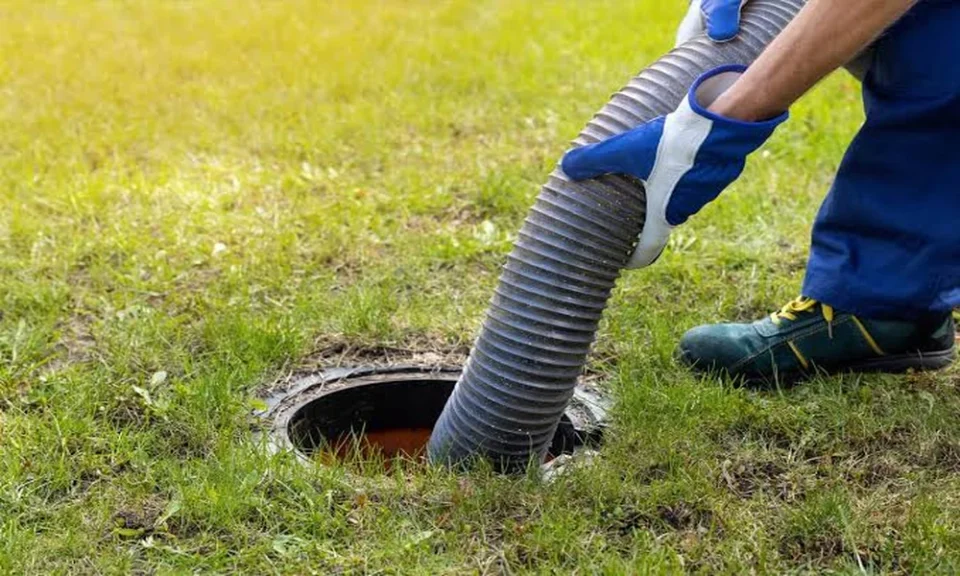
DeKalb County is mostly served by public sewer, but not entirely. Older homes around Lithonia, Stone Mountain and stretches of south DeKalb still rely on septic tanks, some installed decades before the nearest sewer main arrived. For the people living in those houses, wastewater treatment happens a few yards from the back door.
Because these systems are buried and out of sight, they rarely get attention until a drain backs up. Planning regular septic service in DeKalb County on a set schedule is what keeps a tank doing its job without surprises, and it costs far less than rebuilding a drain field after years of neglect.
The tricky part is knowing when the tank actually needs work. There’s no gauge in the kitchen and no light on the dashboard. Homeowners have to piece the answer together from habits, history and a few physical clues.
Gaps in the Sewer Map
Septic homes in DeKalb tend to sit in a few kinds of places. Some are on larger, wooded lots where extending sewer lines never made financial sense. Others are older houses in neighborhoods that were built out before the county expanded its system. A few are newer homes on parcels that simply fall outside the sewer service area.
If you’ve bought one of these properties, the previous owner may not have left any records. Your water bill is a useful first clue. Homes on county sewer usually see a sewer charge alongside water usage, while septic homes don’t. A visible concrete or plastic lid in the yard, or a vent pipe sticking up near the house, also points to an onsite system.
Clues That a Tank Is Filling Up
A septic tank rarely fails all at once. Instead, it sends signals that are easy to dismiss one at a time:
- Several drains in the house slow down together, not just one bathroom sink
- Toilets gurgle or bubble after flushing, or the shower drains with a slurping sound
- A sewage smell lingers outdoors near the tank or across the backyard
- One strip of lawn grows greener and faster than everything around it
- Water pools above the drain field even when it hasn’t rained recently
Any one of these could have another cause. Two or more at the same time usually means the tank or field needs a look.
Pumping and Inspection Are Different Jobs
Pumping removes the sludge and scum that build up inside the tank. Without it, solids eventually flow into the drain field and clog the soil, which is the most expensive failure in the whole system.
Inspection is about the condition of the parts. A thorough visit checks the inlet and outlet baffles, looks for cracks or root intrusion, measures how much sludge has accumulated, and cleans the effluent filter if one is installed. The measurement matters because it reveals how fast your household fills the tank, which turns a guess into an actual schedule.
The U.S. Environmental Protection Agency suggests a professional inspection at least every three years for most household systems and pumping every three to five years. Systems with electrical components, such as pumps or aerobic treatment units, generally need checking more often.
Habits Move the Clock
Two identical houses on the same street can need pumping on completely different timelines. The difference usually comes down to what goes down the drain.
A household of five fills a tank much faster than a retired couple. A garbage disposal adds a steady stream of food solids that bacteria can’t fully break down. Cooking grease poured into the sink hardens into the scum layer. So-called flushable wipes, paper towels and feminine products don’t break apart the way toilet paper does.
Water volume matters as well. Running the dishwasher, several laundry loads and long showers all in one evening pushes a surge through the tank, giving solids less time to settle. Spreading laundry across the week is one of the simplest ways to ease the load.
Clay Soil Leaves Less Room for Error
Much of DeKalb sits on dense red clay. Clay filters effluent well, but it absorbs water slowly. That means drain fields here have less spare capacity, especially after heavy storms when the ground is already saturated.
During a wet spring, homeowners sometimes notice slow drains that clear up once the weather turns dry. That pattern often points to a drain field struggling with soaked soil rather than a full tank. Keeping solids out of the field through regular pumping gives it the best chance of recovering after each rainy stretch.
Tree roots are another local concern. Oaks, maples and other large trees common on wooded DeKalb lots send roots toward the moisture in drain lines. Over time, those roots can crack pipes or block the flow entirely.
Buying or Selling a Septic Home
A home with a septic system calls for a few extra steps during a sale. Buyers benefit from a full inspection with the tank pumped, since a recently pumped tank makes it easier to spot cracks and baffle damage. Asking for any repair permits or service receipts also helps reveal the system’s history.
For sellers, a clean maintenance record answers questions before they turn into price negotiations. Even a simple folder with pump-out dates and a sketch of the tank location can reassure a nervous buyer.
Some homeowners eventually connect to county sewer when it becomes available. In that case, the old tank still needs to be pumped and properly abandoned under health department guidelines, so it doesn’t collapse or fill with groundwater later.
A septic system can last thirty years or more when it’s treated as part of the house rather than a hidden afterthought. Measuring the tank, adjusting habits and protecting the drain field turn maintenance into a predictable routine instead of an emergency phone call.
