
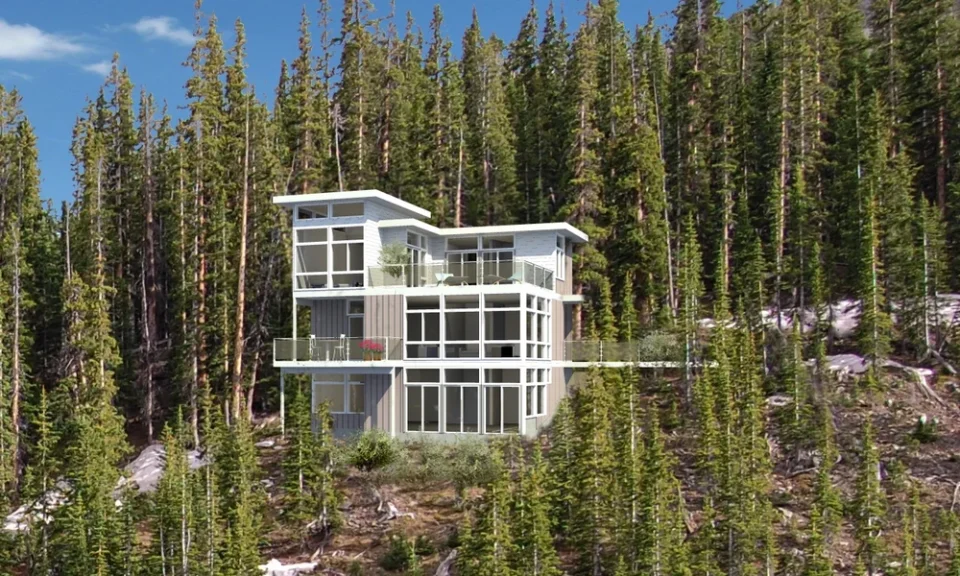
Living on a steep hillside offers stunning views and privacy, but it also means a daily climb. Steep driveways, long staircases, and sloping gardens can make everyday tasks like carrying groceries or welcoming guests a real challenge. A funicular for home use is an elegant, practical answer to that problem.
What Is a Funicular for Home Use?
A funicular is a cable-driven inclined transport system. A car or platform travels along fixed rails on a slope, usually in a counterbalanced arrangement. Unlike a stair lift, which is designed for one person on a staircase, a residential funicular can carry several passengers, luggage, and cargo across much steeper and longer distances.
Many homeowners know funiculars from tourist railways, but the same principle works on a smaller scale for private properties. You can learn more about options built for this purpose on the residential funicular page at Hillhiker.
Key Benefits of a Funicular for Home
1. Safe, effortless access. Steep paths and stairs can be slippery and tiring, especially in wet weather. A funicular provides a stable, enclosed or protected ride, which lowers the risk of falls.
2. Better mobility for everyone. Families with older relatives, young children, or anyone with limited mobility benefit from reliable access to the home. A funicular supports aging in place and keeps your property usable for decades.
3. Easier transport of goods. Groceries, luggage, garden supplies, and even furniture can travel up the slope with you, saving time and strain.
4. Increased property value. A well-designed hillside access system can make a difficult lot more appealing. Buyers often see convenient access as a premium feature on steep terrain.
5. Minimal landscape impact. Because funicular tracks follow the natural slope, they can be installed with far less excavation than building a road or switchback driveway.
What to Consider Before Installing
Before choosing a funicular for home installation, think through a few important factors:
- Terrain and slope angle: Soil conditions, gradient, and track length shape the design.
- Capacity needs: Decide whether you need seating for two people or space for cargo too.
- Power and safety systems: Look for reliable braking, emergency stop functions, and backup options.
- Weather exposure: Choose materials and enclosures suited to your climate.
- Permits and regulations: Local building codes may apply, so check requirements early.
- Maintenance: Regular inspections keep the system safe and extend its life.
Is a Funicular Right for Your Home?
If your property has a steep slope, a long climb from the street, or terrain that makes a driveway impractical, a residential funicular deserves serious consideration. It combines convenience, safety, and long-term value in a way few other solutions can match.
Working with an experienced provider matters. They can assess your site, recommend the right configuration, and guide you through design, installation, and ongoing support.
Final Thoughts
A funicular for home use turns a challenging hillside into an easy-to-reach retreat. Whether you want to improve accessibility, protect your family from slippery climbs, or simply make daily life more comfortable, this system offers a practical and stylish path forward.
