
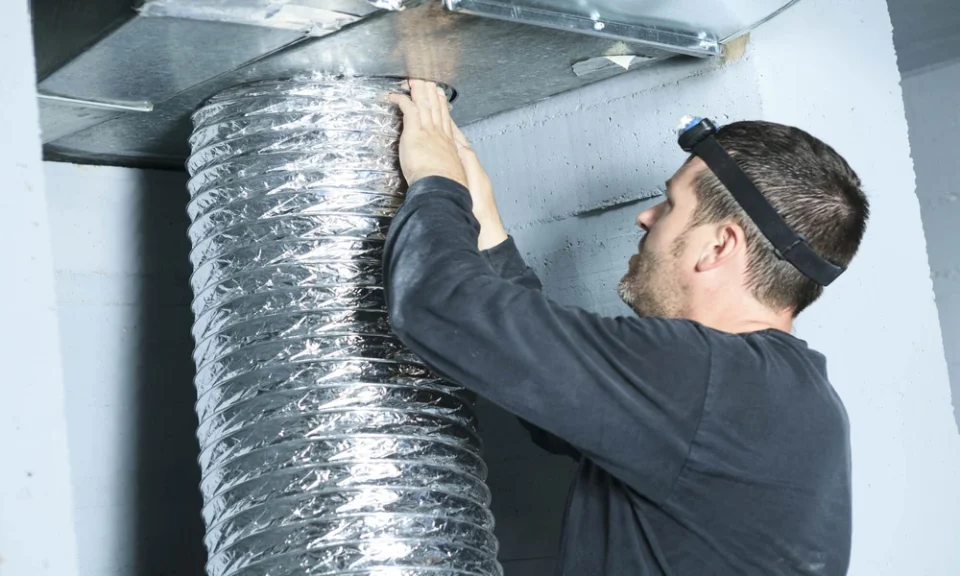
Most homeowners never see the inside of their ductwork. It runs through attics, crawl spaces and wall cavities, carrying every bit of heated and cooled air the house uses. Because it stays out of sight, people tend to picture the worst: thick gray dust, mold and years of buildup blowing into the bedrooms. Sometimes that picture is accurate. A lot of the time, it isn’t.
Technicians at Knox A/C & Heating, a Hot Springs company with more than 25 years of residential and commercial heating and cooling work, regularly get the question of whether duct cleaning is worth the money. The honest answer depends on what is actually inside the system. The U.S. Environmental Protection Agency’s guidance on duct cleaning takes the same view. It says there’s no blanket rule and that cleaning makes sense only when a specific problem calls for it.
That is useful to know before any service visit, because duct cleaning is one of those jobs where the right call saves money and the wrong call wastes it.
Dust on a Register Is Not the Whole Story
A dusty supply grille is the most common reason people start thinking about duct cleaning. It’s also the least reliable sign. Grilles collect dust from the room itself, because air swirls around them all day. Wipe one clean, and within a few weeks it looks the same again, even if the ducts behind it are in good shape.
Some light dust on the inside of ducts is normal and mostly harmless. Dust that sticks to duct walls usually stays put. It doesn’t automatically end up in your lungs. The real question is whether there’s enough buildup, or the wrong kind of contamination, to affect airflow, equipment or the air you breathe.
When Cleaning Actually Makes Sense
The EPA points to a few situations where cleaning is worth serious consideration. Each one points to an actual problem, not just appearance.
Visible mold on hard duct surfaces. If you can see substantial mold growth inside sheet metal ducts, on the coil or in other components, cleaning is reasonable. Someone qualified should confirm it really is mold, since some stains just look like it. Insulation or duct liner that has gotten wet or moldy usually can’t be cleaned properly and should be replaced.
Rodents or insects inside the system. Mice, roaches and other pests sometimes nest in ductwork, especially in runs that pass through crawl spaces. Droppings, nesting material and dead insects don’t belong in an air path, and removing them is a legitimate reason to clean.
Heavy debris or particles blowing out. If puffs of dust come out of the supply vents when the system starts, or the ducts are visibly clogged, there’s enough material inside to justify a cleaning.
After a renovation. Drywall sanding, flooring work and demolition can throw fine dust into open returns. Homes that went through a remodel without sealed returns sometimes end up with a layer of construction debris in the system.
Moisture Is Usually the Real Culprit
In warm, humid regions, the cause matters as much as the cleaning. Mold in ductwork almost always traces back to moisture. Ducts that run through a damp crawl space, a supply line sweating in a hot attic, a clogged condensate drain or an oversized air conditioner that never runs long enough to pull humidity out of the air can all leave surfaces wet enough to grow things.
Cleaning moldy ducts without fixing the moisture source is like mopping under a leaking pipe. The problem comes back. A good technician looks for the reason the ducts got contaminated, whether that’s a torn vapor barrier under the house, a disconnected duct dumping cool air into a muggy space, or a drain pan that doesn’t empty.
What a Proper Cleaning Visit Includes
A real duct cleaning is more thorough than most people expect. It covers the whole air path, not just the visible ducts. A solid job generally follows this sequence:
- The technician inspects the system first, including access to the blower, coil and main trunk lines, and checks for materials like older asbestos insulation before disturbing anything.
- The system is put under negative pressure using a vacuum that either exhausts outdoors or runs through HEPA filtration, so loosened dust doesn’t spread through the house.
- Brushes, air whips or agitation tools break debris loose inside the ducts, with softer tools used on fiberglass duct board to avoid damage.
- The blower, evaporator coil, drain pan and plenums are cleaned along with the ducts, since a dirty coil can recontaminate clean ductwork quickly.
- Any access holes cut into the ducts are sealed airtight and reinsulated, and the system is tested in both heating and cooling modes before the job is done.
When a company skips the coil and blower, the service is incomplete. Dust left on a coil or blower wheel just blows back into the freshly cleaned ducts.
Sprays, Sealants and Health Claims
Some duct cleaning offers come with add-ons such as antimicrobial sprays, fogging treatments or sealants painted inside the ducts. The EPA is cautious about these. There’s limited evidence that they work in ductwork, and chemicals sprayed into an operating system can travel through the whole house. Sealants are not a routine recommendation and should never go over wet surfaces or active mold.
Be skeptical of any promise that cleaning will cure allergies or headaches. Cleaning can help when contamination is real, but there’s no strong research showing it improves health across the board. It’s also worth knowing that no federal agency certifies duct cleaners, so a claim of government approval should raise a flag.
Watch out for very cheap “whole house” specials, too. A real job takes hours and specialized equipment. A rock-bottom price usually means a quick vacuum at the registers and a pitch for extra services.
Keeping Ducts Cleaner Between Visits
The easiest way to avoid needing a cleaning is to stop debris from getting in. A properly fitted filter changed on schedule does most of the work. A filter that is too loose lets air slip around the edges, carrying dust straight into the coil. Very restrictive filters in a system not designed for them can choke airflow, so match the filter to what the equipment can handle.
Sealing leaky ducts helps as well. Ductwork in attics and crawl spaces often has gaps at joints, and leaks on the return side pull in insulation fibers, dirt and humid air. Sealed ducts stay cleaner and deliver more of the air you’re paying to heat and cool.
Regular maintenance on the equipment rounds it out. Clean coils, a clear condensate line and properly sized equipment all keep moisture under control, and that’s what usually stops mold before it starts.
Duct cleaning isn’t a scam, and it isn’t a routine chore either. It’s a targeted fix for a specific problem. If you start with the cause and ask for an inspection before you pay for any cleaning, you’ll likely end up with cleaner air and a system that runs better for longer.
