
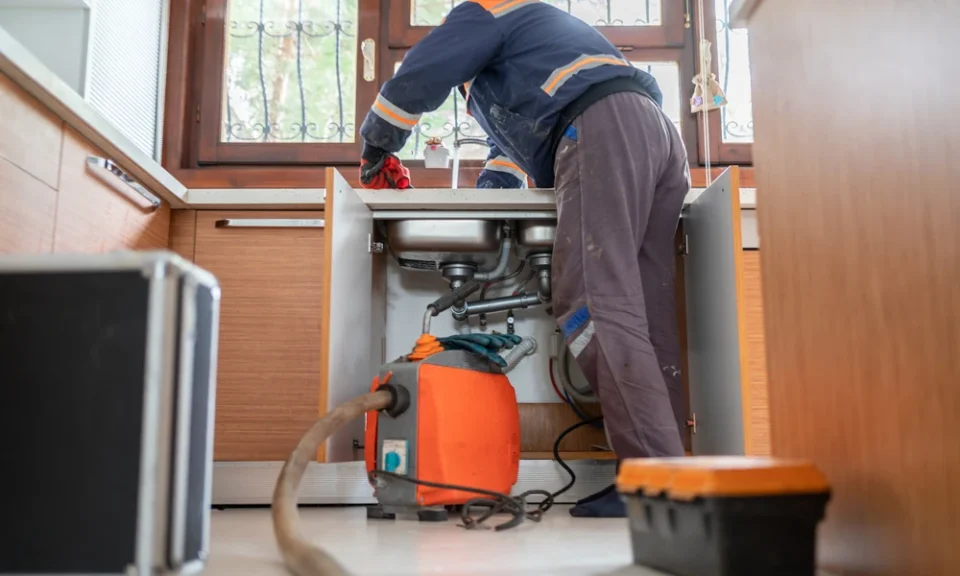
A clogged drain can quickly turn into a frustrating household problem. Whether water is collecting in your kitchen sink, your shower is draining slowly, or an unpleasant smell is coming from your pipes, finding the right solution is important. Many homeowners try DIY drain cleaning first, while others prefer to call a professional for a more thorough solution.
Both approaches can be effective, depending on the location, severity, and cause of the blockage. Simple clogs may respond to basic tools, but recurring blockages and sewer line problems often require specialised equipment and professional assessment.
Understanding the difference between these options can help you protect your plumbing system, avoid unnecessary expenses, and decide when it is time to seek expert assistance.
What Is DIY Drain Cleaning?
DIY drain cleaning involves using household tools and simple techniques to remove minor blockages without hiring a plumber. It is often a practical first step when a single sink, bathtub, or shower starts draining slowly.
Common methods include using a plunger, removing visible debris, cleaning a drain strainer, or using a small manual drain snake to retrieve hair and soap residue.
For example, bathroom drains frequently become blocked by accumulated hair and soap scum. Removing debris near the drain opening may restore normal water flow without requiring professional equipment.
However, DIY methods work best when the blockage is easy to reach and the plumbing is in good condition. If the obstruction is deep inside the pipes or caused by a damaged sewer line, simple household remedies may only provide temporary relief.
What Is Professional Drain Clearing?
Professional drain clearing involves diagnosing and removing blockages with specialised plumbing tools. A trained technician can investigate the cause of a problem and select an appropriate method based on the condition of the pipes.
Common professional techniques include:
- Drain snaking: A mechanical cable breaks up or retrieves obstructions inside pipes.
- Hydro jetting: High-pressure water removes accumulated grease, sludge, and other deposits when the pipe condition makes this method suitable.
- Video camera inspection: A specialised camera helps locate blockages, tree root intrusion, cracks, and other pipe problems.
- Sewer line assessment: A technician evaluates possible problems affecting the main drainage line and recommends suitable next steps.
Unlike a quick household fix, professional service can help identify why a blockage developed in the first place. This is particularly useful when the same drain becomes clogged repeatedly or multiple fixtures are affected.
DIY vs. Professional Drain Clearing: Key Differences
1. Cost and Convenience
DIY methods generally cost less because you may only need a plunger or an inexpensive drain-cleaning tool. They are convenient for minor blockages and can sometimes resolve the issue within minutes.
Professional service involves labour, equipment, and diagnostic work, so the initial expense may be higher. However, professional assistance can be more economical when a blockage is difficult to reach, keeps returning, or requires a deeper investigation.
The best choice depends on the nature of the problem rather than the initial cost alone.
2. Effectiveness
A plunger or manual drain snake can be effective for clogs caused by hair, soap residue, or small amounts of debris near a fixture.
More complex obstructions may require mechanical equipment, hydro jetting, or a camera inspection. For example, tree roots entering an underground sewer pipe cannot usually be addressed with ordinary household tools.
Professional equipment can reach problem areas that DIY methods cannot safely access. Nevertheless, even professional cleaning may not resolve a structural defect without additional repairs.
3. Safety and Pipe Protection
DIY drain cleaning requires care. Aggressive tools can damage pipes if used incorrectly, particularly in older plumbing systems. Chemical drain cleaners can also cause burns, release hazardous fumes, and create dangerous reactions if mixed with other products.
Avoid mixing cleaning chemicals or using a plunger after pouring a chemical product into the drain. Follow product safety instructions, and tell a plumber if chemicals have already been used.
Professional technicians can assess the pipe condition and select an appropriate clearing method. For older or potentially damaged pipes, inspection before using high-pressure equipment is especially important.
4. Long-Term Results
A DIY solution may restore water flow without removing all the buildup inside a pipe. If grease, mineral deposits, or other material remains, another blockage may develop.
Professional clearing in Auburn Maine can provide a more thorough solution when the correct method is selected. Camera inspection can also reveal underlying problems that need separate attention.
However, no method guarantees that a drain will never clog again. Regular maintenance and responsible disposal habits remain important.
When Should You Try DIY Drain Cleaning?
DIY methods are generally reasonable when the problem is minor, isolated, and easy to access.
Consider trying these simple steps:
- Remove visible hair and debris from the drain cover.
- Use an appropriate plunger to loosen a nearby blockage.
- Clean the removable drain strainer regularly.
- Use a manual hair-removal tool carefully, without forcing it into the pipe.
- Stop if the tool encounters firm resistance or the blockage does not improve.
Avoid pouring grease, cooking oil, coffee grounds, or food scraps into kitchen drains. In bathrooms, drain strainers can help prevent hair from entering the plumbing system.
If these measures fail, avoid repeatedly forcing tools into the pipe. A persistent blockage may be located farther along the drainage system and require professional attention.
Signs You Need Professional Drain Clearing
Certain warning signs indicate that a blockage may be more serious than an ordinary household clog.
Multiple slow drains: If sinks, showers, and toilets develop problems simultaneously, the obstruction may affect a shared drainage line.
Recurring blockages: A drain that becomes clogged again soon after cleaning may have substantial buildup, root intrusion, or another underlying problem.
Sewage backups: Wastewater entering a bathtub, floor drain, or other fixture requires prompt professional assessment.
Persistent sewer odours: Unusual sewage smells may indicate a drainage issue or a problem with the plumbing traps or ventilation system.
Gurgling sounds: Repeated gurgling from several fixtures can indicate restricted drainage or ventilation problems.
If sewage is backing up, stop using water wherever possible and contact a qualified plumbing professional promptly. Keep children and pets away from contaminated water.
How Maine Homeowners Can Prevent Drain Problems
Seasonal changes, older plumbing, and tree roots can contribute to drainage concerns in some Maine properties. Regular maintenance helps reduce avoidable blockages and makes it easier to identify problems early.
Follow these practical tips:
- Install drain strainers in sinks and showers to catch hair and debris.
- Dispose of cooking grease in a suitable container rather than pouring it down the sink.
- Avoid flushing wipes, sanitary products, and other unsuitable materials.
- Clean accessible drain covers and strainers regularly.
- Pay attention to slow drainage, unusual odours, and repeated gurgling.
- Arrange a professional assessment if blockages recur or several fixtures are affected.
Older homes or properties with a history of sewer problems may benefit from a camera inspection when recommended by a qualified technician.
Preventive maintenance does not eliminate every plumbing risk, but it can help homeowners identify potential concerns before they develop into more disruptive problems.
Frequently Asked Questions
1. Is DIY drain cleaning effective for clogged sinks?
Yes, it can work for minor blockages caused by hair, soap residue, or accessible debris. If the water remains slow after careful basic cleaning, a professional assessment may be necessary.
2. Is professional drain clearing worth the cost?
It can be worthwhile for recurring clogs, deep obstructions, multiple affected fixtures, and suspected sewer line problems. Professional equipment can help locate the cause and determine whether cleaning or repair is needed.
3. Are chemical drain cleaners safe for pipes?
Some products can damage certain plumbing materials or create hazardous conditions if misused. Avoid mixing chemicals, follow label instructions, and consider mechanical methods first. Seek professional advice if the blockage persists.
4. How do I know if my main sewer line is blocked?
Warning signs can include multiple slow drains, wastewater backing up into low-level fixtures, and persistent sewage odours. These symptoms are not conclusive, so a plumbing professional should investigate the cause.
5. How often should residential drains be professionally cleaned?
There is no single schedule that suits every property. Cleaning frequency depends on pipe condition, household use, tree root exposure, and previous blockage history. A professional can recommend an appropriate maintenance plan.
Conclusion
Choosing between DIY methods and professional assistance depends on the severity of the blockage and the condition of your plumbing. Simple clogs may respond to basic tools, while recurring problems, multiple slow drains, and sewage backups require a more thorough assessment.
Taking preventive steps and responding early to warning signs can help reduce disruption and protect your drainage system. When a blockage is difficult to resolve or the underlying cause is unclear, consider the drainage inspection, clearing, and repair services available through Trenchless Maine to help determine the most appropriate solution for your property.
