
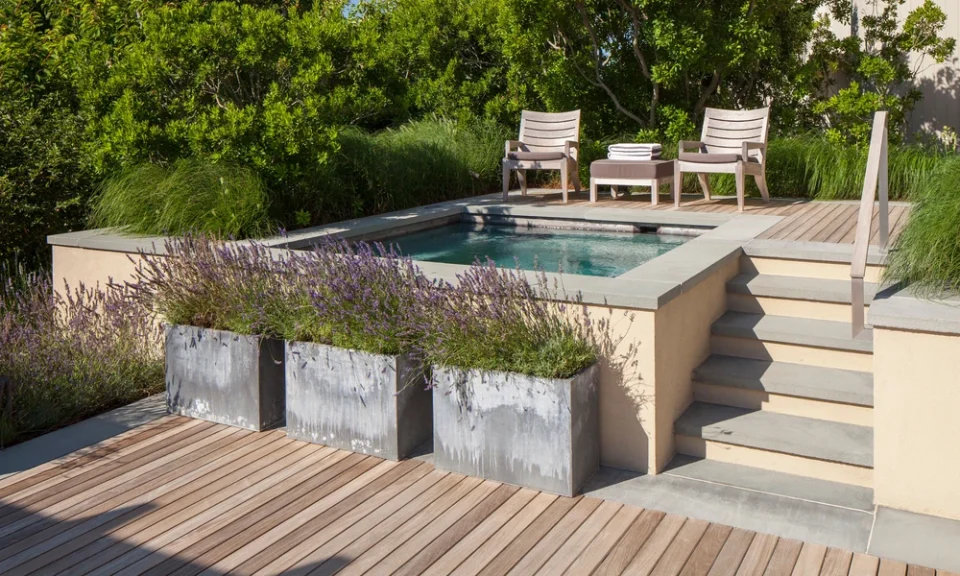
Most deck projects begin with a picture from a magazine or a neighbor’s backyard. The problem is that a deck built to look good in a photo does not always work for the people who use it. A deck that is perfect for hosting twenty guests can feel wasteful for a couple who mostly drinks coffee outside. A sprawling design can swallow a small yard, and a bare platform can bake in the afternoon sun. The most satisfying decks start with one question: how will we really use this space? A skilled West Jordan deck builder can translate the answer into a layout, materials, and features that suit your home, West Jordan deck builder teams included, who often begin by asking about your routines before they ever talk about lumber.
Instead of comparing materials or walking through the construction process, this guide groups deck design by lifestyle. Find the one that sounds most like you.
The Entertainer: Built for Crowds
If your home is the one everyone gathers at, your deck needs room to move.
- Generous square footage with clear walkways so guests are not squeezed behind chairs.
- Defined zones for dining, lounging, and grilling, so the cook is not cut off from the party.
- Built-in seating and benches that save floor space and double as storage.
- Wide, comfortable stairs that can double as extra seating at big gatherings.
- Lighting along steps, rails, and seating areas for evening events.
Think about traffic flow. A door that opens directly onto the grill zone, or a dining table that blocks the main path, can make a large deck feel cramped.
The Family Hub: Built for Kids, Pets, and Everyday Life
Decks that serve families need to be durable, safe, and easy to keep clean.
- Choose railings and gates with spacing that suits young children and pets.
- Pick surfaces that are comfortable for bare feet and resist splinters.
- Keep sightlines open from the kitchen or living room so you can watch the yard.
- Consider a durable, low-stain finish or material for spills and muddy paws.
- Leave open floor space for play, not just furniture.
The Quiet Retreat: Built for Calm
Some decks are meant for solitude: a morning coffee, a book, or a view of the mountains. Smaller can be better here.
- A compact footprint tucked into a corner or off a bedroom or den
- Privacy screens, lattice, or planters to block neighboring views
- Comfortable seating with room to stretch out
- Soft lighting rather than bright floodlights
- A shaded or partly covered area for hot afternoons
The Gardener: Built to Blend With Nature
For plant lovers, the deck is an extension of the garden.
- Built-in planter boxes along rails or edges
- Steps that connect gracefully to garden paths
- Space for potted plants, trellises, or hanging baskets
- Water access nearby for easy care
- Materials and finishes that handle moisture from watering
The Year-Round User: Built for Utah Weather
Utah’s climate swings from hot, dry summers to cold winters with snow and sharp temperature changes. A deck meant for four seasons deserves extra thought.
- Sun protection such as a pergola, shade sail, or covered section for summer afternoons.
- Materials that handle expansion and contraction and resist moisture, UV damage, and fading.
- Snow-friendly design with good drainage and surfaces that are safe when wet or icy.
- Heating options like a fire feature or outdoor heater, where appropriate and permitted.
- Sturdy footings designed to handle the local ground and frost conditions.
Safety and Structure: The Part You Cannot Skip
A beautiful deck is useless if it is not safe. The most important parts are often the ones you cannot see: footings, framing, connections to the house, and fasteners. Decks are also a common site of structural failures, especially where the deck attaches to the home. The American Wood Council shares prescriptive guidance for safe deck construction in its residential deck construction resources, which is a useful read if you want to understand what proper structure involves.
Local building codes and permits may also apply, so confirm requirements before construction begins and ask who handles the paperwork.
Lifestyle and Design at a Glance
| Lifestyle | Top Priority | Key Features |
|---|---|---|
| Entertainer | Space and flow | Zones, seating, lighting |
| Family hub | Safety and durability | Railings, durable surfaces, open sightlines |
| Quiet retreat | Privacy and comfort | Screens, shade, soft lighting |
| Gardener | Plants and access | Planters, water, garden connection |
| Year-round user | Weather resilience | Shade, drainage, strong materials |
Mixing and Matching
Few households fit neatly into one category. You might want a family-friendly deck that occasionally hosts large gatherings, or a quiet retreat with a small garden corner. The solution is usually to rank your priorities. Decide what matters most, what is nice to have, and what you can live without. That list will guide decisions when budget or space forces trade-offs.
Questions to Ask Before You Build
- How will the deck connect to my home, yard, and existing doors?
- What size and layout fit the way I really use outdoor space?
- Which materials suit my lifestyle and maintenance preferences?
- What permits and inspections are required?
- What warranty or guarantee covers the design and the workmanship?
Final Thoughts
A deck should be an extension of your daily life, not a showpiece you admire from the window. Start by picturing who will use it, when, and for what. Let those answers shape the size, layout, and features, and then choose materials that suit your climate and your patience for upkeep. A deck designed around real habits tends to be the one you actually use, season after season.
