
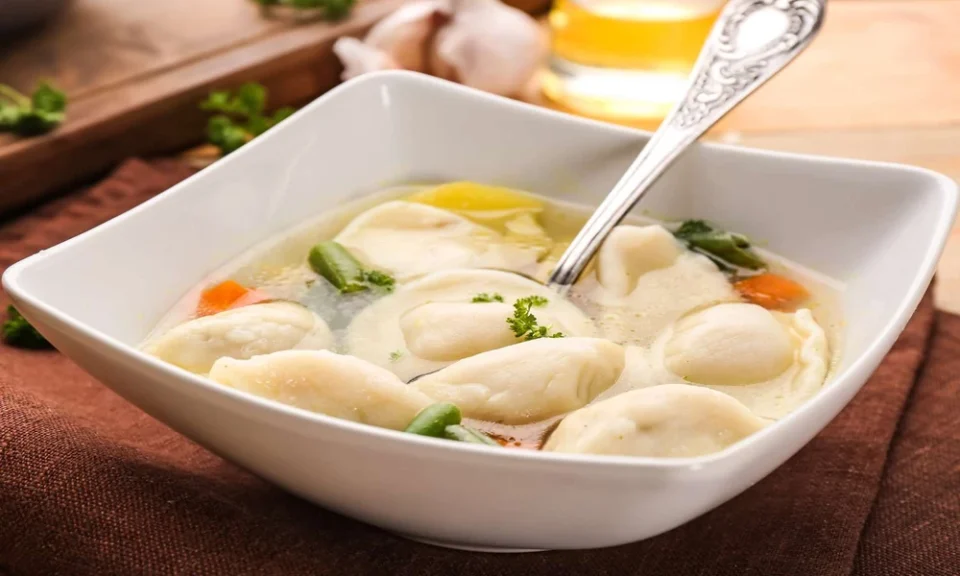
Soup and pierogies can share a meal comfortably when each has a clear role. Decide which dish is central, choose a filling that suits the soup’s actual flavor, and plan how the two will reach the table. This prevents a simple supper from turning into two complete dinners served at once, each with its own unnecessary extras.
Choose whether the soup or dumplings lead
Begin with the food that prompted the meal. If you made a soup you are eager to serve, let the dumplings support it. If you want to try a particular filling, use the soup as an accompaniment or an earlier course. The decision gives you a basis for choosing quantity and presentation.
A substantial soup with several ingredients may already feel like the center of dinner. In that case, a modest dumpling serving could add another texture or flavor. A simpler soup may leave more room for the dumplings to lead. Consider the actual recipe and the people eating rather than assigning a fixed role to every bowl of soup.
Think about how hungry the diners expect to be and what else the occasion includes. A supper after a busy day differs from a small meal before another event. Ask the household rather than relying on a standard portion rule. The same two foods can make different meals when their relative amounts change.
Keep toppings under review while assigning roles. If the soup already has a garnish, bread, and a rich finish planned, adding a dumpling platter with several dips may create more activity than the meal needs. Preserve the elements people care about and remove extras that simply repeat the same function.
Tell anyone helping which dish leads. That information affects what they prepare and how much table space they reserve. A cook making the soup as a starter will approach the arrangement differently from someone who believes it is the only substantial food being served.
Read the soup flavor before choosing the filling
Name the soup’s strongest qualities. It may be creamy, tomato-based, herbaceous, peppery, or dominated by a particular vegetable. A filling choice becomes easier when it responds to those qualities rather than to the generic category “soup.” Taste the finished recipe if it is already made, since the final seasoning may differ from the ingredient list.
For a filling with chicken, Cheeky Chicken Bites are mini chicken-and-onion dumplings. Their identity matters when considering a soup pairing: they are not breaded chicken pieces, and they are sold frozen and uncooked. Choose them because chicken and onion fit the meal you want, not because the word “bites” suggests they require no preparation.
A soup that already emphasizes chicken and onion may make that pairing feel cohesive, while another soup may provide contrast. Both approaches can be enjoyable. Ask whether repeating the flavor is the purpose or whether you want the dumplings to introduce something different.
When investigating the purchase, the local store listings for New York City accompany descriptions of the available fillings. Use those descriptions to identify the exact variety before contacting a retailer. The soup pairing is your menu decision; the listing helps you take the next shopping step.
Consider any guest requirements across both dishes. A meatless soup does not make a chicken dumpling meal meatless, and a suitable filling does not answer questions about the soup’s broth or garnish. Preserve the ingredient information for each component so the combination remains understandable.
Choose any sauce after considering the soup. A richly flavored bowl may already supply the contrast or moisture you wanted beside the dumplings. You can serve an optional finish separately, but there is no need to add a dip solely because that is how you have seen mini dumplings presented elsewhere.
Serve the components in a practical sequence
Decide whether both dishes arrive together or in separate stages. Simultaneous service can be comfortable when the table has room for a bowl and plate at each setting. Separate stages may suit a smaller table or a meal where the soup is clearly an introduction. Choose the arrangement that fits the people and space.
If serving together, arrange the place settings before cooking. A large soup bowl, dumpling plate, drink, and utensils may take more space than expected. Give each item a stable position that does not require diners to reach over hot food. A smaller bowl may fit the soup’s supporting role better than the largest vessel in the cupboard.
If serving in stages, plan the preparation so the second component is ready at an appropriate time. The package directions determine how the frozen dumplings are cooked. Avoid starting them solely because the soup has reached the table if that would leave the cook rushing or abandoning their own first course.
Keep the dishes separate unless you are deliberately following a recipe designed to combine them. Putting uncooked dumplings into soup is a preparation change, not merely a serving idea. For this meal, prepare each component by its appropriate directions and bring them together at the table through flavor and timing.
Consider who will clear the first dishes if you use courses. A small cleared area in the kitchen can receive bowls without making the dining table a stack of used vessels. The serving sequence should allow people to continue talking comfortably rather than repeatedly reorganizing the room.
Keep portion decisions tied to the actual meal
Choose initial servings that reflect the roles you assigned, with room for people to ask for more where practical. A supporting soup need not arrive in the same amount as a soup-only dinner. Likewise, dumplings accompanying a substantial bowl do not need to occupy the entire plate.
Use your household’s experience and the actual package information to plan the purchase. Avoid a universal dumpling count for everyone: format, appetite, and the rest of the meal all matter. Ask guests or family members what sounds comfortable rather than making the serving arrangement prove its generosity through size.
Watch for an unnecessary third component. Bread, another starch, or an elaborate side may be welcome, but each should have a reason to join the soup and dumplings. If the two dishes already form the meal people want, leave the menu there.
After dinner, recall which role worked. Perhaps the soup was best as a small first course, or perhaps the dumplings made a useful accompaniment to a larger bowl. That practical observation can become the starting point for the next soup supper, saving you from rebuilding the whole meal every time.
