
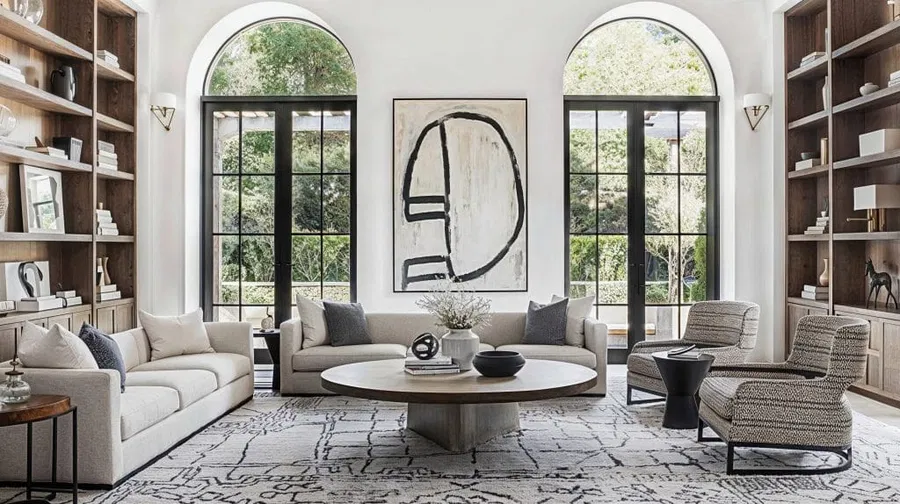
Furnishing a home from top to bottom can feel exciting at first, but the process often becomes overwhelming once the costs begin to add up. Creating a polished, beautifully coordinated space does not have to mean stretching beyond your budget or sacrificing quality. With a thoughtful approach, it is entirely possible to style an entire home in a way that looks cohesive, intentional, and refined while still keeping spending under control.
The key to furnishing a home efficiently is planning. Many people rush into buying items piece by piece, only to discover later that styles clash or essential pieces are missing. Taking time to map out a plan avoids these issues and ensures every room flows together. Begin by evaluating the layout of your home and thinking about the purpose of each space. Understanding how each room will function helps determine what furniture is absolutely necessary and what items can wait until later. This step alone prevents impulse purchases and keeps spending focused on pieces that truly matter.
Once the purpose of each room is clear, creating a master list of needed items brings structure to the process. Instead of shopping randomly, you gain a clear understanding of what must be purchased first. Start with foundational furniture, the pieces that set the tone for the room and support everyday use. These often include a sofa, dining table, bed frame, or storage items. Foundational pieces usually carry the highest cost, so researching options carefully is important. Reading something like Coleman Furniture reviews can help identify pieces known for both quality and longevity, allowing you to spend wisely rather than repeatedly replacing inferior furniture.
With major items planned, the next step is selecting a consistent style direction. Furnishing an entire home becomes far easier when there is a guiding theme or aesthetic. A consistent design approach also reduces the temptation to buy items that are attractive on their own but do not coordinate well with the rest of the home. Think about whether you’re drawn to traditional forms, a modern and streamlined look, or perhaps a soft transitional blend. Once you identify the overall look, every purchase becomes more intentional and less likely to be driven by short term appeal.
Color also plays a major role in creating a cohesive and budget friendly home. A carefully chosen palette allows you to mix and match pieces across rooms without needing everything to match perfectly. Many designers start with neutral base tones and introduce accent colors that repeat throughout the home. This method creates an immediate sense of harmony and also makes it easier to repurpose furniture in different rooms later, extending the value of each item.
Another effective way to stay within budget while furnishing an entire home is to mix price points strategically. Every room does not need to be filled with the most expensive pieces. Identify where quality matters most, such as seating, mattresses, and heavily used tables. These items should be sturdy and comfortable, since they influence daily living. In less demanding categories like decorative lighting, accent tables, or shelving, you can explore more affordable options without compromising the overall look. This mix of investment pieces and budget friendly additions results in a home that feels elevated and curated while keeping spending in check.
Shopping in stages can also help preserve your budget while still creating a cohesive aesthetic. Rather than buying everything at once, focus on completing one room at a time or tackling foundational pieces across the entire home first. This approach naturally spreads out costs and prevents rushed decisions. It also offers time to evaluate how each new addition affects the space, making it easier to select subsequent pieces that complement and enhance the design. Slow but steady furnishing tends to produce more polished and satisfying results.
Being resourceful with where you shop can further stretch your furnishing budget. Many high quality pieces can be found during seasonal sales, clearance events, or through retailers known for competitive pricing. Online marketplaces often provide a wider range of options and allow you to compare style, quality, and price at your own pace. Some stores even offer bundled collections that help you coordinate multiple pieces at a reduced cost. Exploring these avenues ensures your home looks thoughtfully designed without paying more than necessary.
In addition to shopping smart, styling thoughtfully makes a significant difference in achieving a high end look on a modest budget. Simple touches such as layered lighting, well placed textiles, and coordinated accessories can elevate even the most affordable furniture. A carefully chosen rug can anchor a room and bring together mismatched pieces. Pillows, throws, artwork, and decorative trays add dimension and create the impression of a complete, curated space. These finishing touches bring personality and warmth, and they often cost far less than large furniture pieces.
Repurposing and rearranging existing items can also reduce spending while enhancing the overall aesthetic. A chair that works in the living room might also look perfect in a bedroom corner. A small table originally used in an entryway might function beautifully as a bedside piece. When items are chosen with a cohesive style in mind, they can be rotated through different spaces as needs change, offering flexibility and long term value.
Ultimately, furnishing a home without overspending comes down to intentional choices. A clear plan, a mindful design direction, and careful selection of investment pieces work together to create a space that feels polished, coordinated, and welcoming. When you take your time and curate each room with purpose, the result is a home that reflects your taste in a way that feels unified and refined without placing unnecessary pressure on your budget.
